MARTA in an Olympic Wonderland
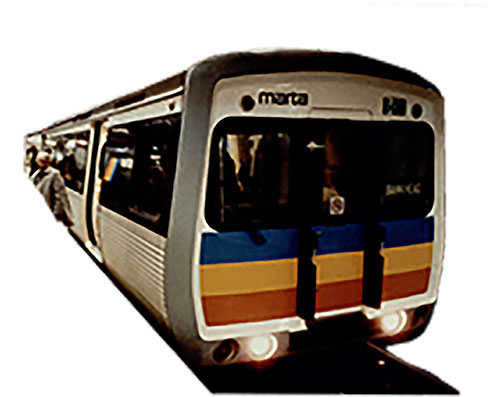
Atlanta’s public transportation system, the Metropolitan Atlanta Rapid Transit Authority, or MARTA, was already a part of Billy Payne’s pitch for the city to host the Olympics. Formed in 1971 and running by 1979, the organization serviced Fulton and Dekalb Counties, and since Atlanta already had a transit authority in place, as Payne explained, the area was well-prepared to manage the crowds that came with the Games as part of Atlanta’s famous southern hospitality.
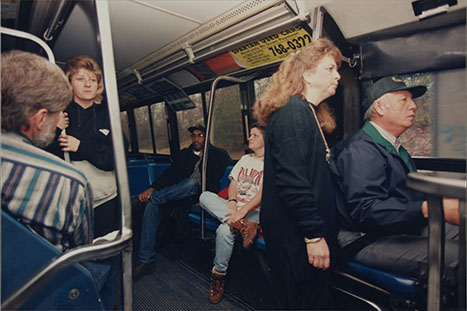
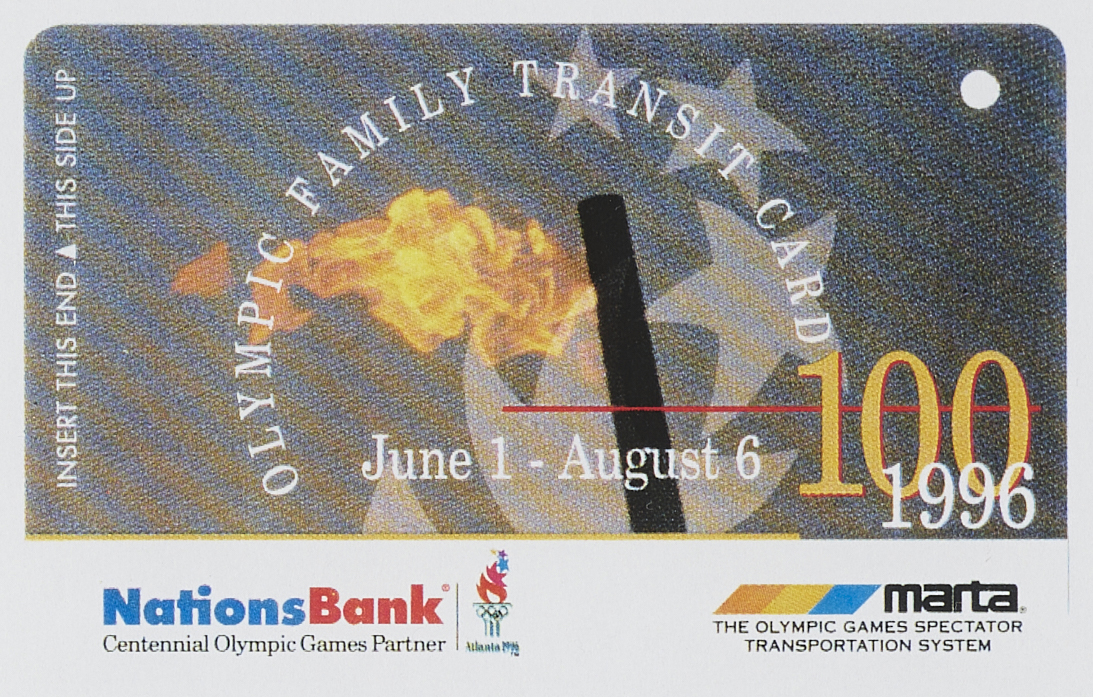
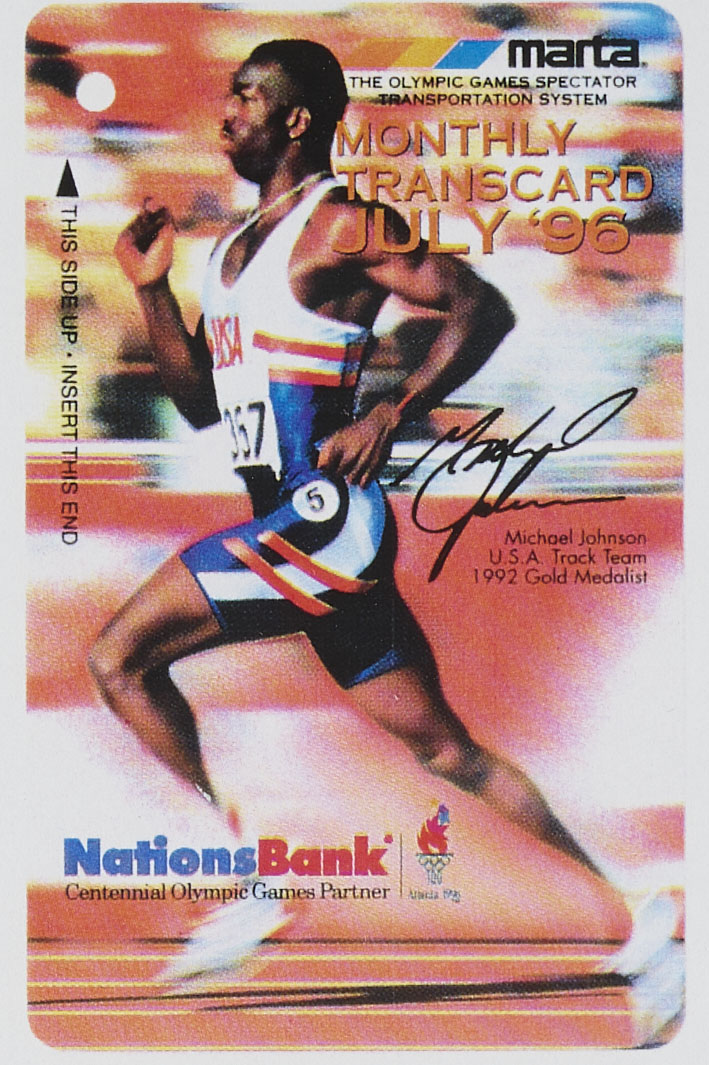
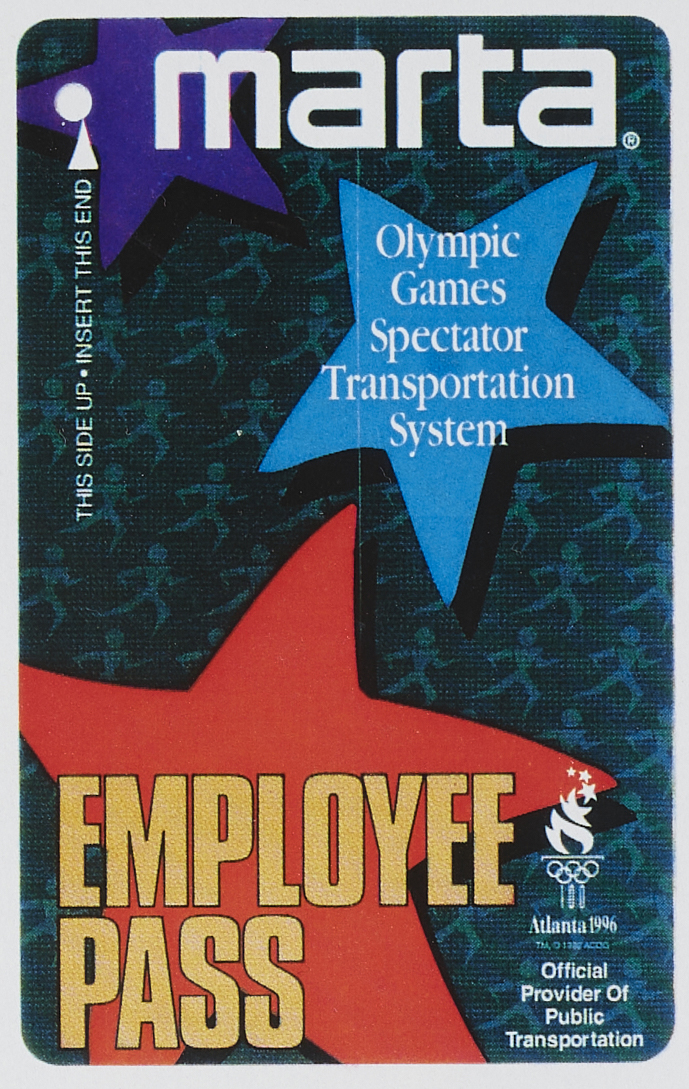
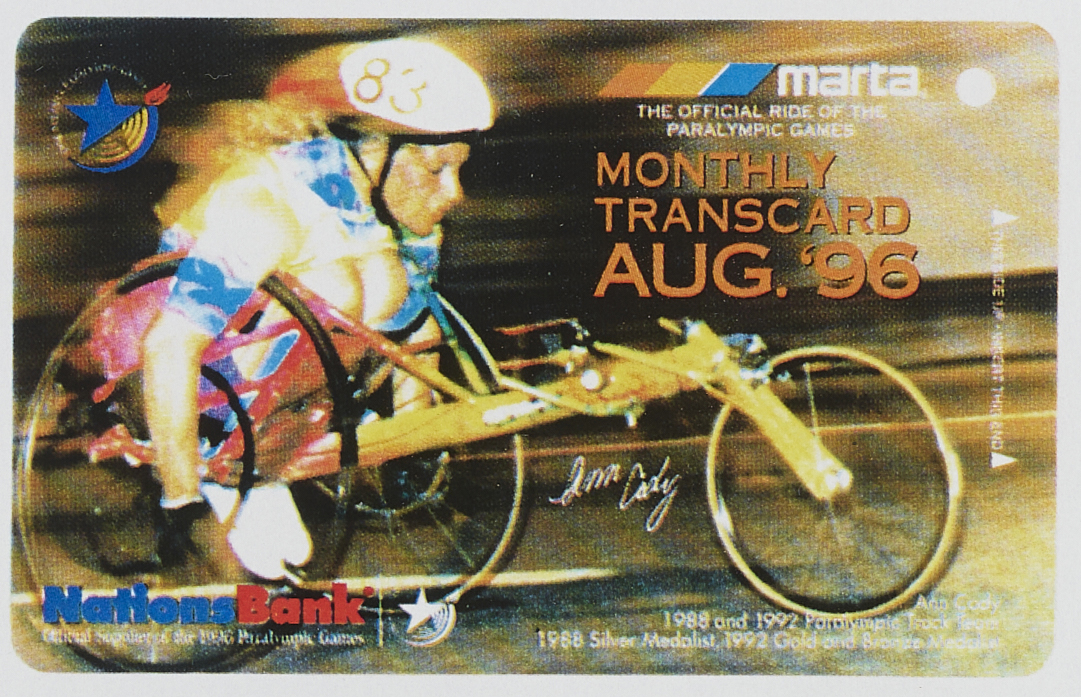
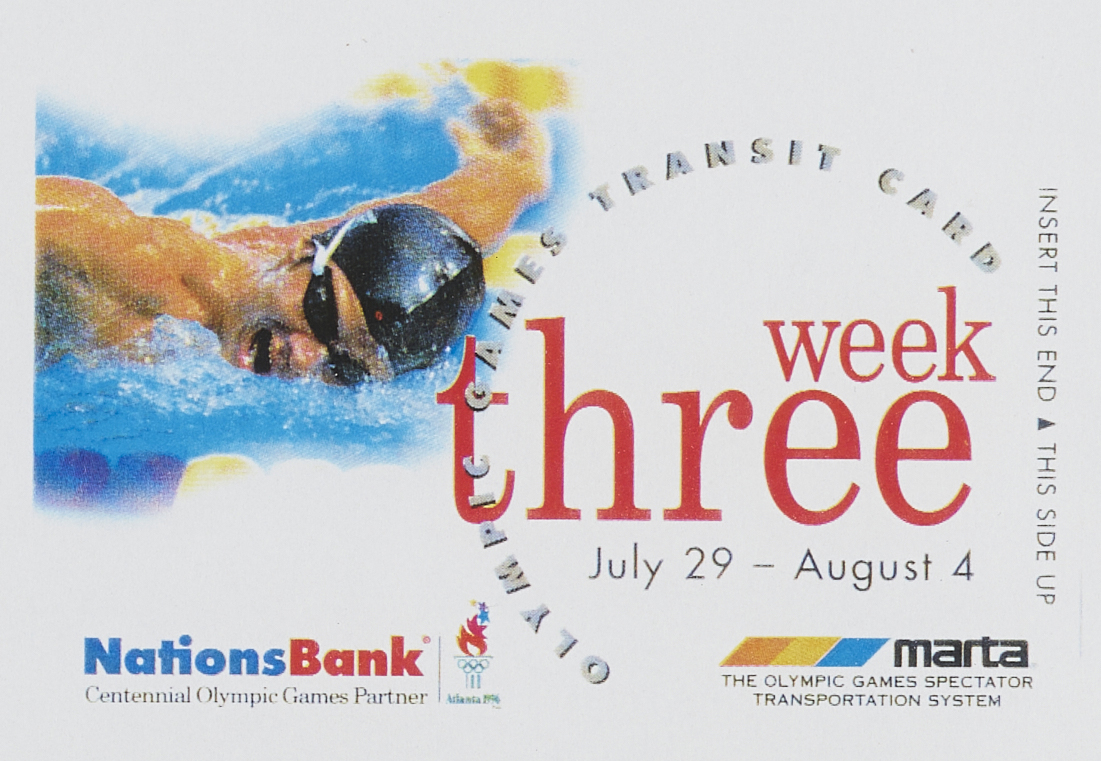
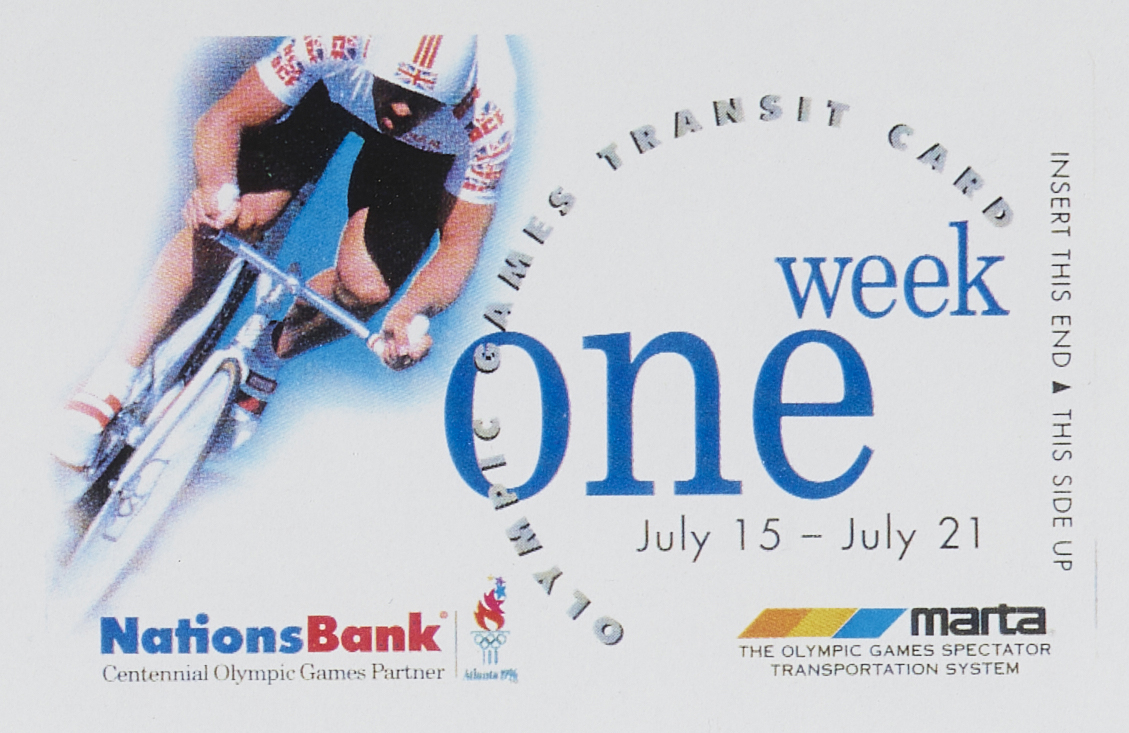
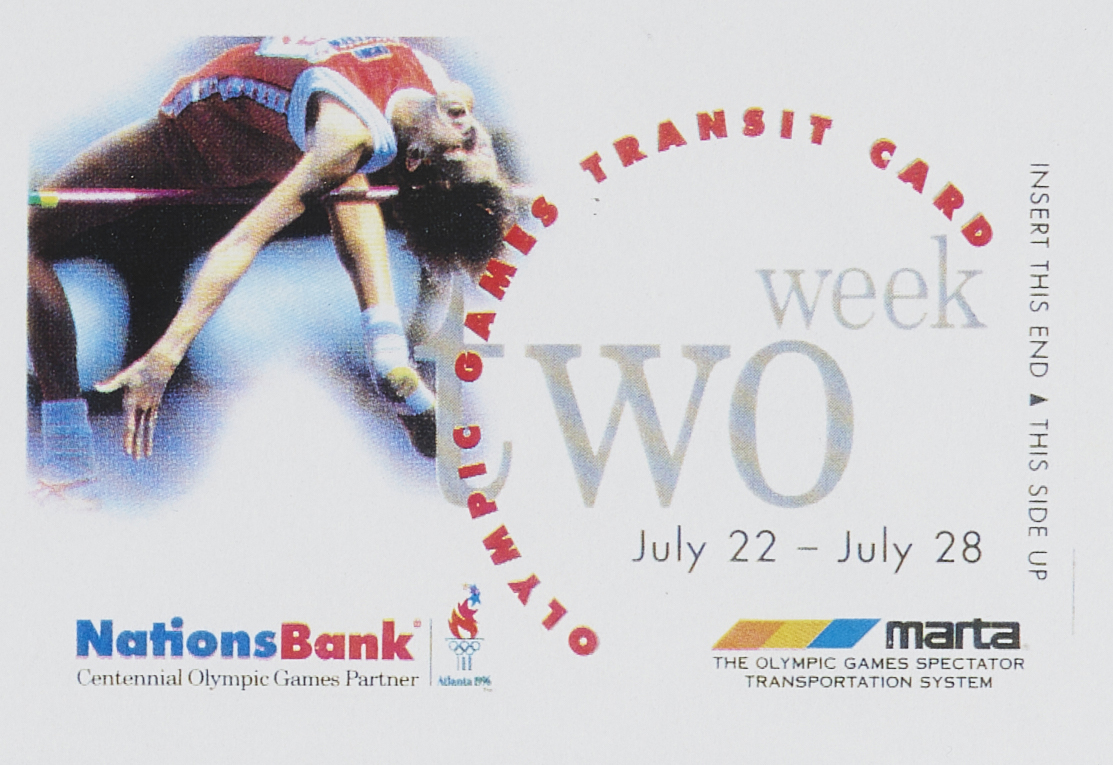
This was a bit of a hopeful exaggeration. By the early nineties, MARTA had 667 buses servicing 150 routes and 240 rail cars running on 39 miles of track: a decent fleet for a modest ridership but nowhere near enough machinery or personnel to handle the millions of international tourists who would descend on the city in the summer of ’96. But more troublesome than MARTA’s size was its financial state. Since its inception, MARTA had never been adopted by neighboring Cobb and Gwinnett Counties—both started their own systems rather than interact with metropolitan Atlantans—and had never received any state funding. As the state legislature increasingly favored highway expansion, the inner-city transportation system struggled to pay for its own development, maintenance, and employees from a budget funded only by fares and a 1% sales tax in Fulton and DeKalb. But when Atlanta won the Olympic bid, MARTA received a sudden and temporary window for improvement. ACOG designated it as the official transportation provider of the Games, the first time an Olympic committee had bestowed such a title: the “Olympic Spectator Transportation System.” And, also for the first time, the cost of public transportation would be included in the price of an Olympic ticket.
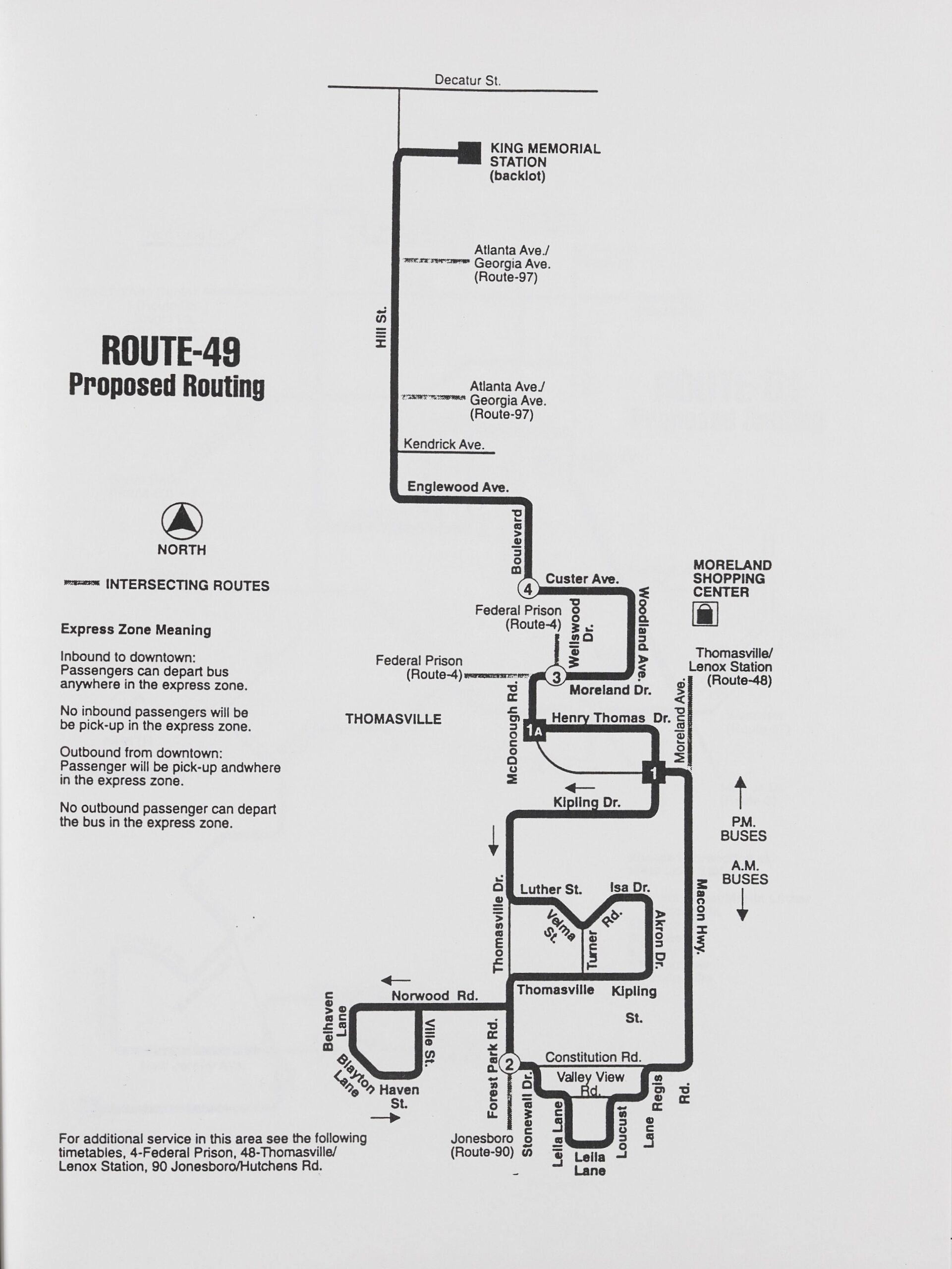
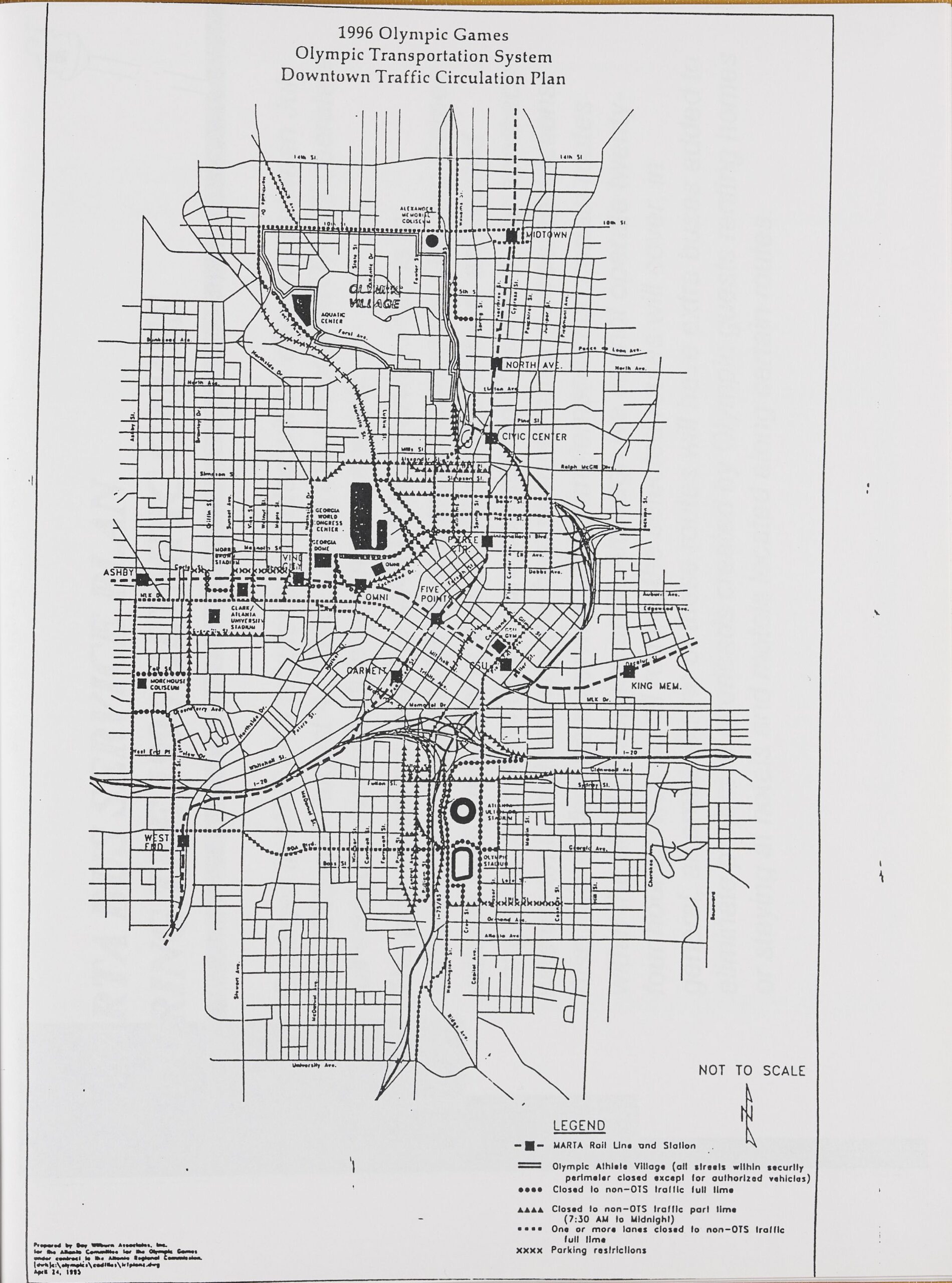
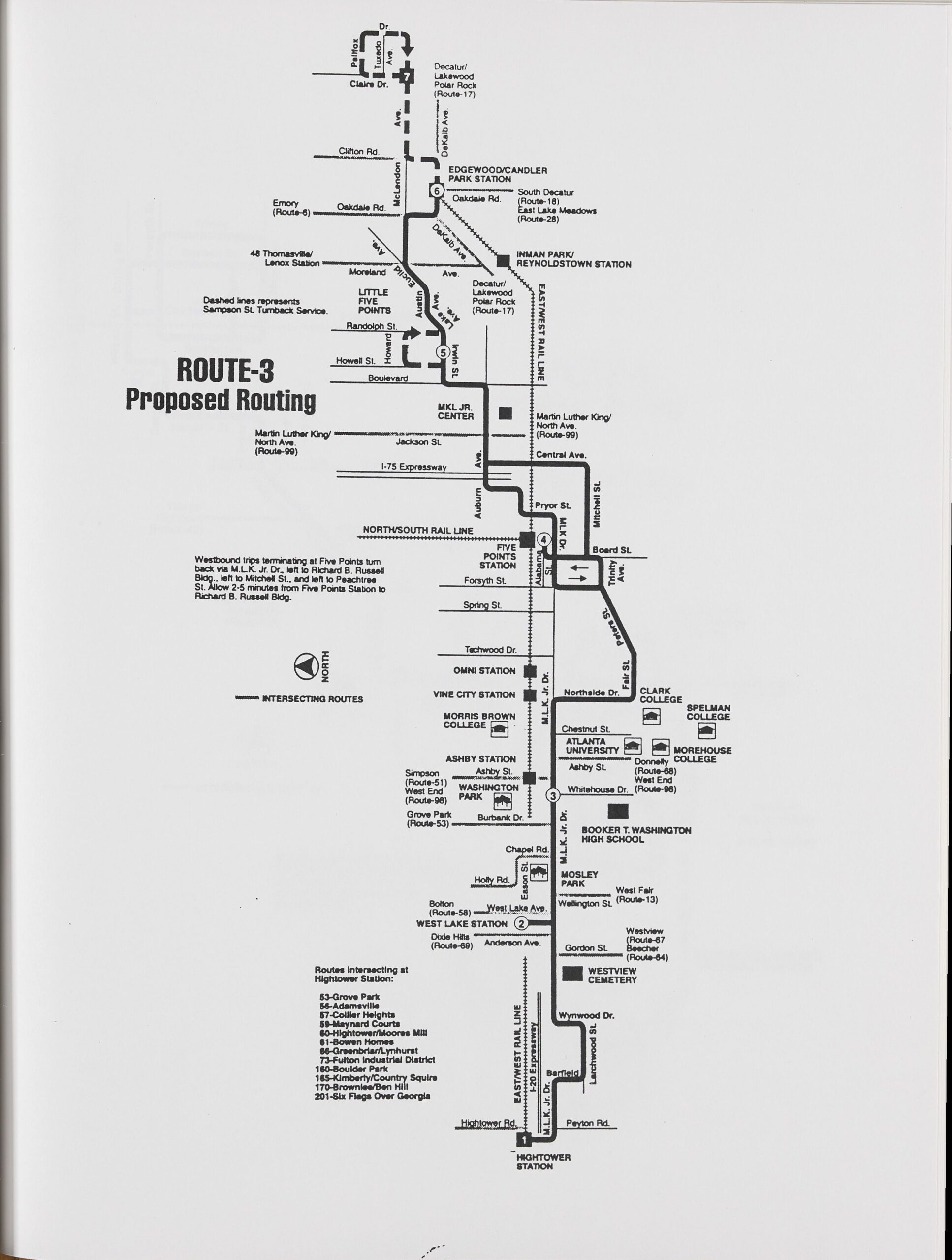
MARTA executives took advantage of these fleeting new resources to rapidly improve the system’s trains, buses, technology, and rail lines. They added two new stations and upgraded their computer system. They repaired and installed air conditioning in all MARTA buses and updated the entire fleet to comply with the requirements of the 1990 Americans with Disabilities Act. The Red Line, running from the airport to Sandy Springs, was completed more than a year ahead of schedule, and on February 1, 1996, MARTA launched its first web page. To cope with the anticipated surge in riders, MARTA did what Los Angeles’s metro had done in 1984 and went outside the state: it borrowed 1400 buses from sixty other transport systems around the country and hired 3200 temporary drivers—many school bus drivers or drivers from other systems—to learn the 29 new and expanded routes. Services on selected routes would run 24/7, and Atlanta businesses were encouraged to switch to telecommuting during the Games; downtown Atlanta would be closed to traffic.
For the seventeen days of the Games, the Olympic Spectator Transportation System carried over 25 million people to forty sporting events. Eleven million tickets had been sold, funding the rides of 2 million out-of-town visitors, 3.4 million Atlantans venturing downtown, and 15,500 athletes. For many locals, it was the first time they had ever ridden a MARTA bus or taken a MARTA train, revealing the average Atlantan’s relationship to their own public transport. Much of the international press was disgruntled with the service, because they had been housed far and wide throughout the city and had to use buses to get to their events, which were driven by drivers who were often new to the city or working an unfamiliar route. Bus traffic also had to contend with thousands of pedestrians walking in the street, pushed off the sidewalk by hundreds of pop-up vendor stalls selling beer, Coke, and knock-off Olympic memorabilia.
But for the most part, and for almost three weeks, the efforts of local business and public interest combined, resulting in largely successful, coordinated, round-the-clock public transportation. Highways emptied, the air got cleaner, and MARTA moved four times its usual ridership to and from downtown, and around Fulton County, without incident.