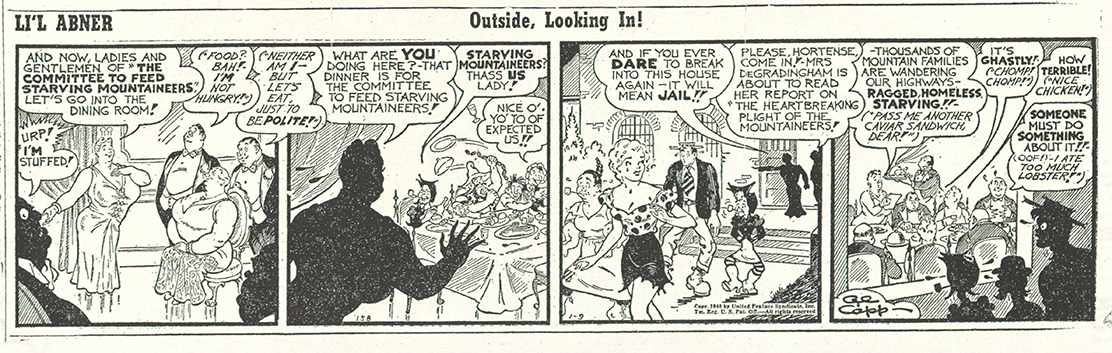
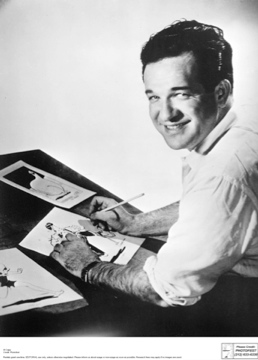
Johnny Mercer and Lil Abner
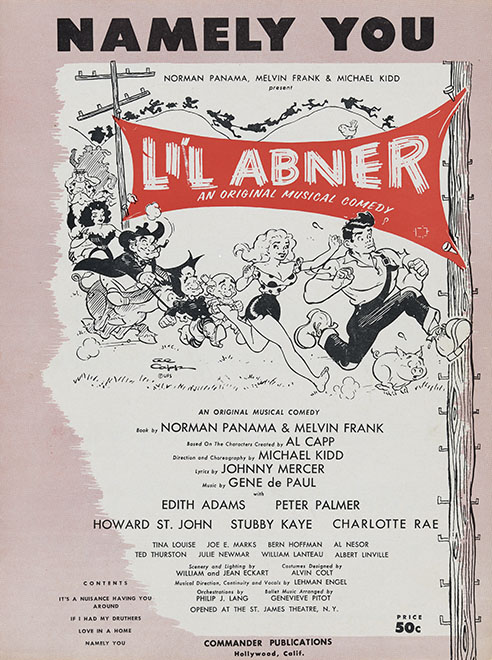
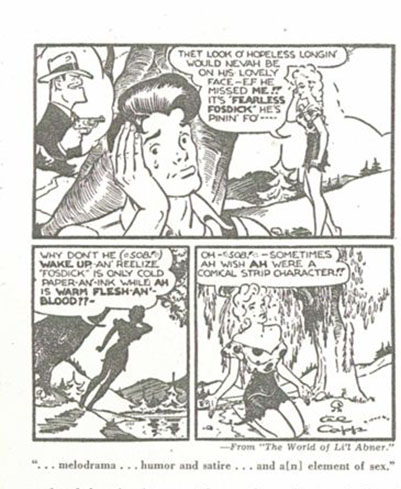
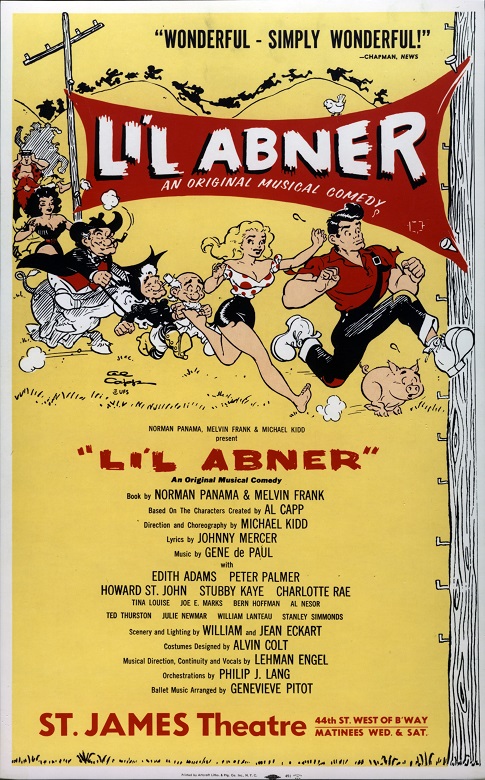
“Li’l Abner” is a Broadway musical based on the comic strip of the same name by Al Capp. It premiered on Broadway at the St. James Theatre on November 15, 1956, and ran for a total of 693 performances. The musical was directed by Morton DaCosta and featured music by Gene De Paul, lyrics by Johnny Mercer, and a book by Norman Panama and Melvin Frank.

Key characters include Daisy Mae, Abner’s love interest; Mammy Yokum, Abner’s mother; Pappy Yokum, his father; Marryin’ Sam, the town’s justice of the peace; and a host of colorful supporting characters like Earthquake McGoon, Moonbeam McSwine, and Jubilation T. Cornpone.
The story revolves around the residents of the fictional town of Dogpatch, USA, where the hillbilly inhabitants are facing a crisis due to the government’s decision to turn their town into a nuclear testing site. The titular character, Li’l Abner Yokum, is a good-natured and strong but naïve young man who becomes the central figure in the town’s efforts to save itself.
The musical is known for its catchy songs, including “Jubilation T. Cornpone,” “If I Had My Druthers,” and “Namely You.” It also satirizes various aspects of American culture and politics, with themes of government incompetence, media manipulation, and the power of grassroots activism.
“Li’l Abner” was well-received by audiences and critics alike, and it won two Tony Awards, including Best Actor for Edie Adams, who played Daisy Mae. The musical has had several revivals and adaptations since its original run, cementing its place as a classic of American musical theater.