The Political Is Personal
![A line of female protestors hold signs on the sidewalk, looking up the road, with signs reading "Southern ladies against women" and "A day without exploitation is like a day without the chamber of commerace [sic]."](https://exhibits.library.gsu.edu/playing-for-keeps/wp-content/uploads/sites/15/2024/03/Southern-Ladies-against-women.jpeg)
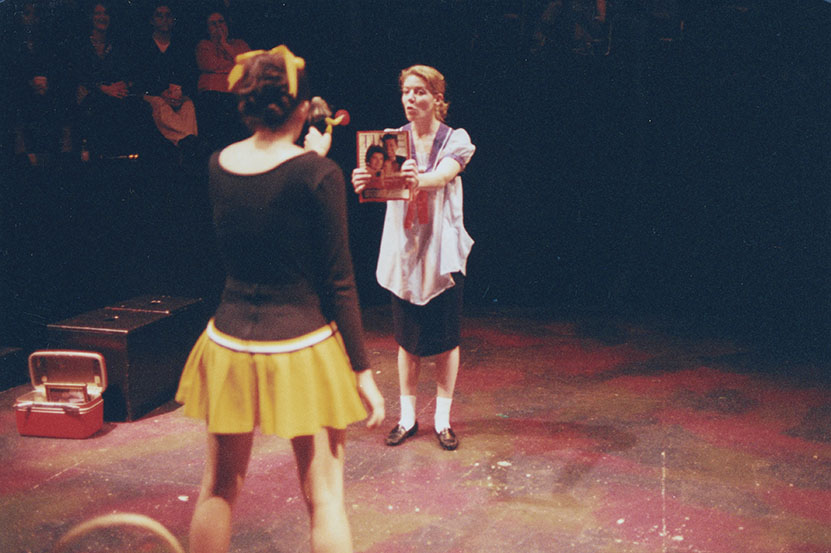
Feminist theater groups often wrote and performed original plays and skits that addressed issues their members were facing. By brainstorming ideas with diverse group members, their plays offered multiple perspectives on the impact of labor exploitation, sexism, racism, homophobia, and sexual violence. These issues occurred in workspaces, at home, in social settings and even in the local arts scene. Because performances were grounded in the personal lives of playwrights, audiences often developed a stronger connection to and understanding of the feminist material.