If you’re going to be a theater artist, it’s really important to be knowledgeable and reflect on the world
Rachel May
It was important to engage in worldly matters while doing feminist work in the theater. Groups and playwrights often researched global politics and participated in local community initiatives which further inspired their feminist work on stage.
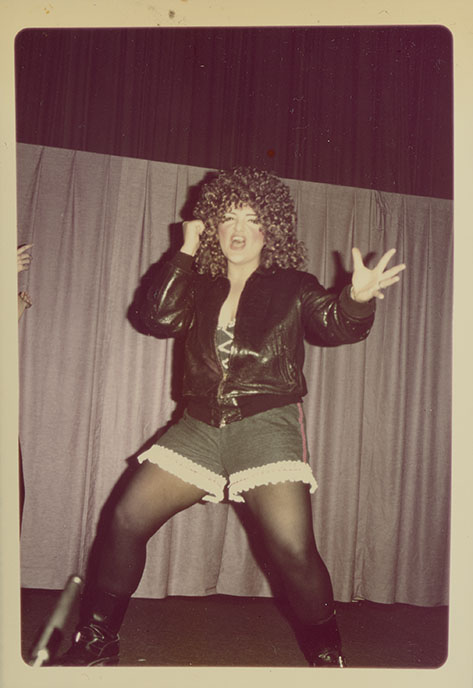
Francis Pici performing on stage, W179_01_13_b
Injustice and inequities played out on stage as they saw it unfolding in real life, their lives and the lives of others. Rape, racism, and the victimization of victims played out as they saw it on stage.
But we wanted to be a little steely – NO mercy. The times called for it
Maria Helena Dolan
Maria Helena Dolan
I loved doing this stuff: loved the writing, loved the performing, loved the sense of sisterhood, loved the audiences, loved giving people politics in fun/accessible ways…
Maria Helena Dolan
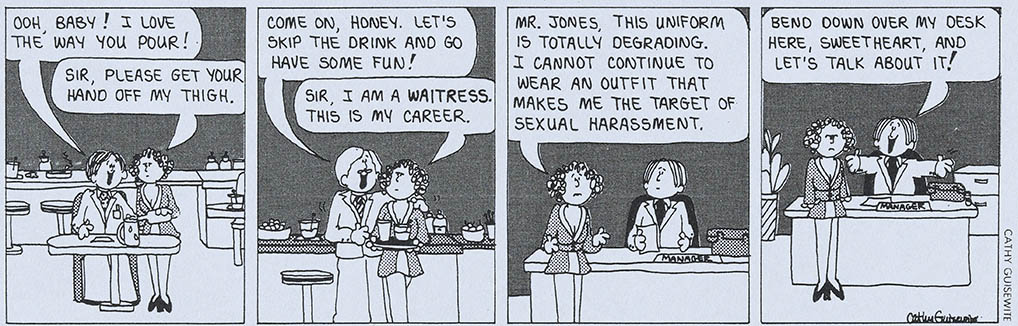
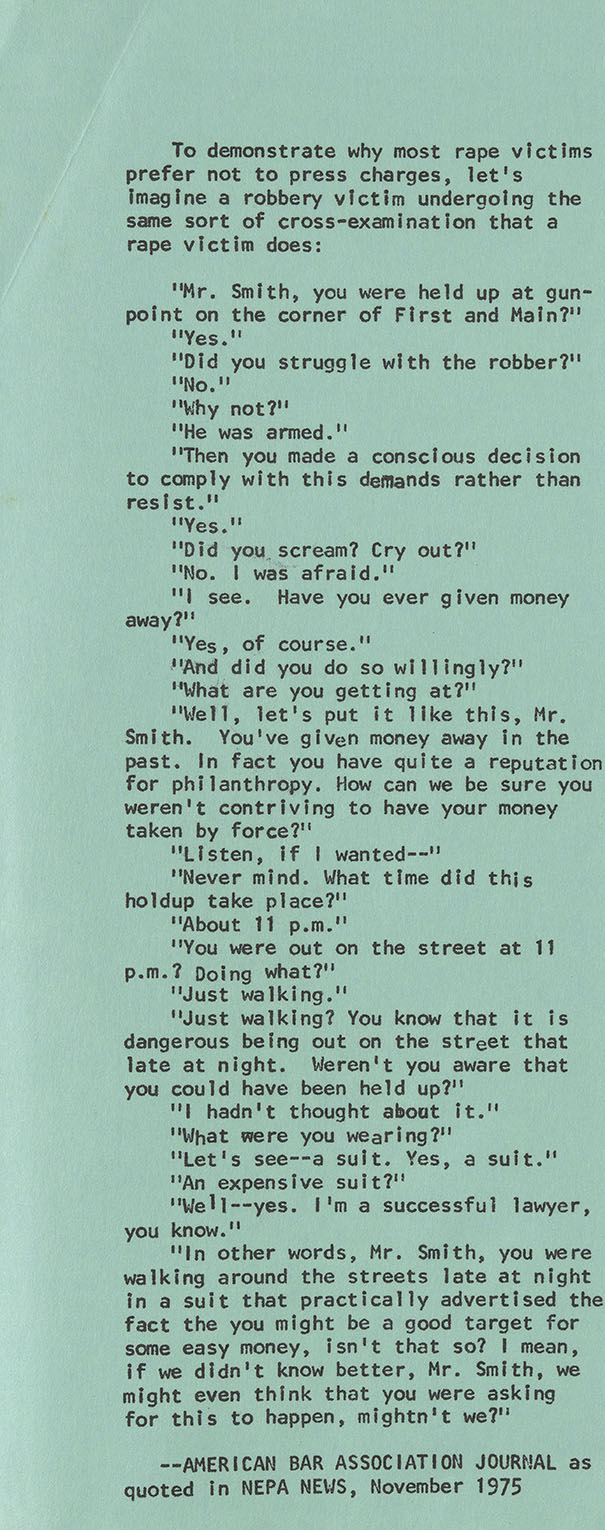
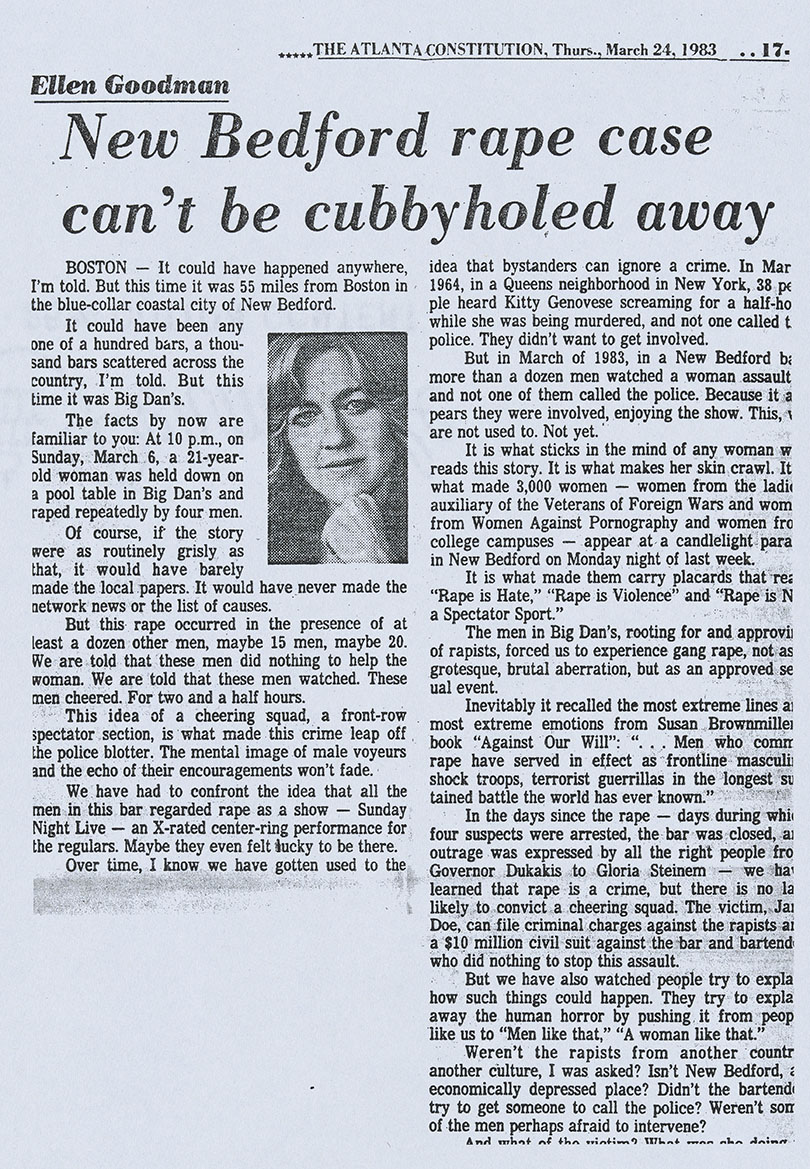
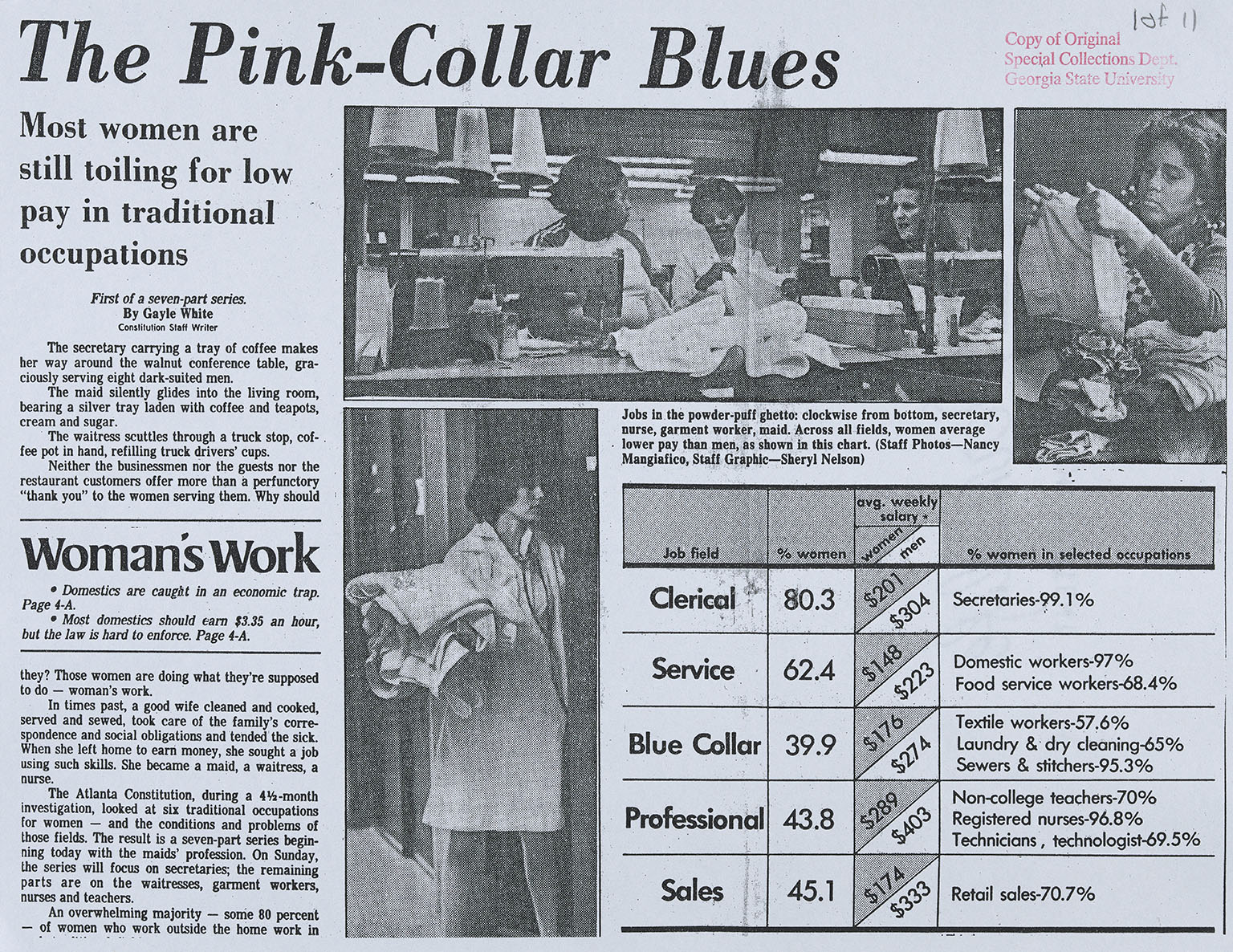
Below are some of the research materials the theater groups used to collect to create script scenarios for their plays, further acting out the injustices that face women.
Cartoon, sexual harassment in the workplace, W083_01_21_c
Green flyer describing robbery scenario, W083_01_21_a
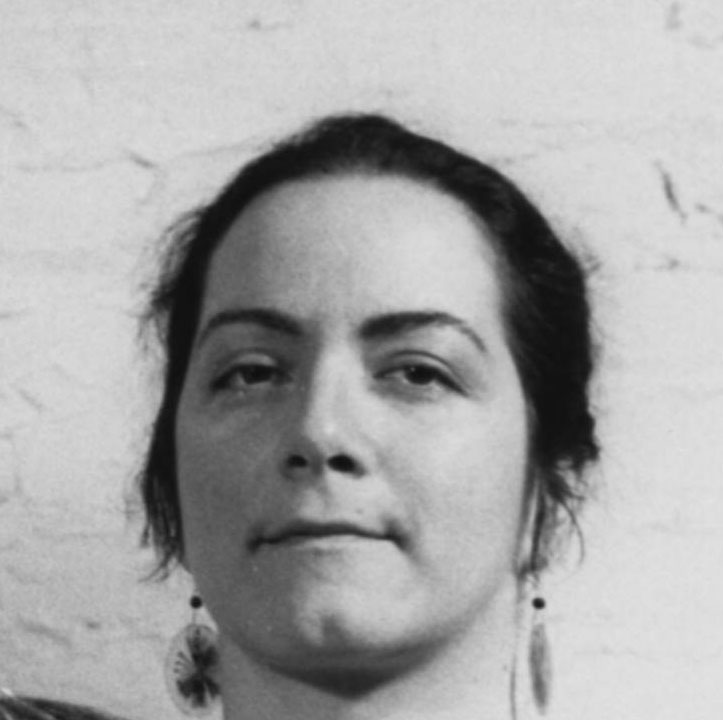
The ‘Me Too’ movement has swept over our nation the last few years, allowing the hush-hush topic of sexual abuse and the staggering number of women that have experienced it to rise to the surface. Although the movement was momentous, liberating, and continues to impact how we grapple with and fight sexual abuse, it was not the first movement of its kind. In the 1980’s, Cheryl Araujo, and the horrific crime inflicted upon her, was at the center of that movement. This case was the first rape case to be televised nationally, W083_01_21_b
Gender based inequities still persist to this day although there have been some strides made, W083_01_21_d