Summerhill
East of Capitol Avenue stood the neighborhood known as Summerhill. First settled at the end of the Civil War, Summerhill was one of Atlanta’s first African-American residential enclaves. Like Jenningstown in the Atlanta University area and Shermantown in the Fourth Ward, Summerhill attracted freedmen and freedwomen who strived to live independently and build their own communal institutions.
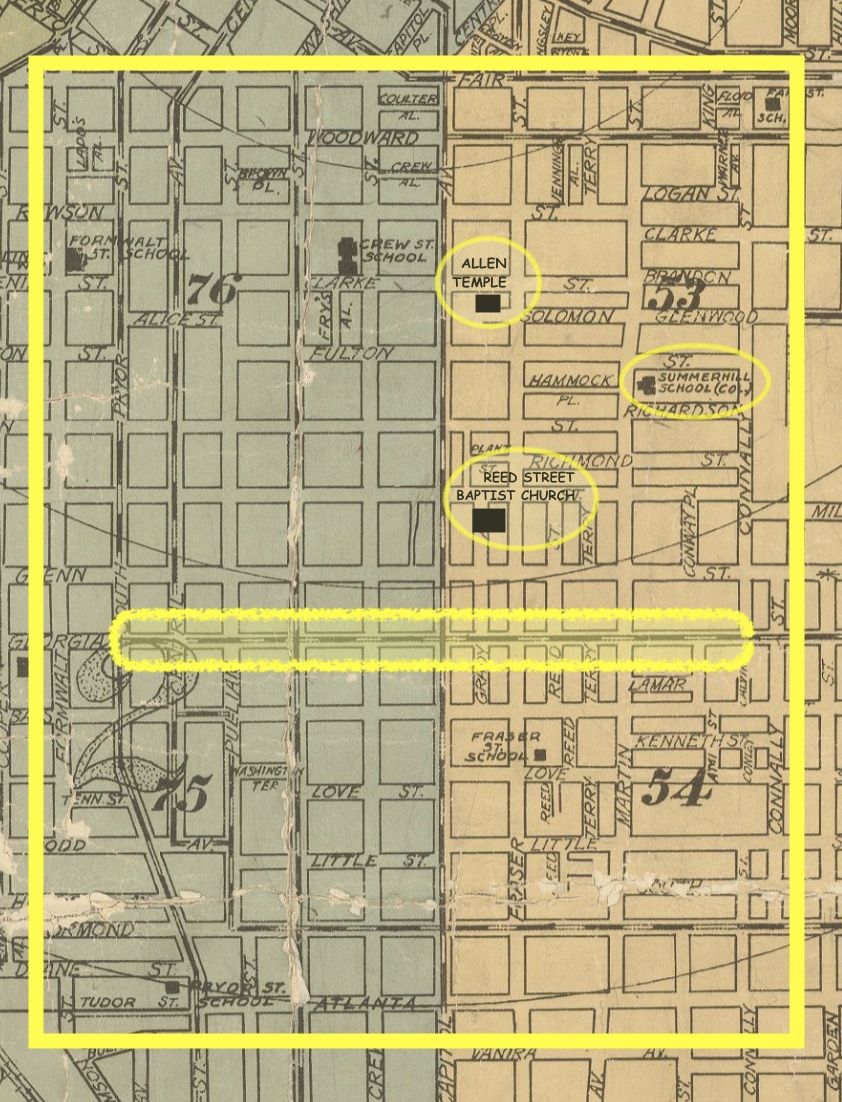
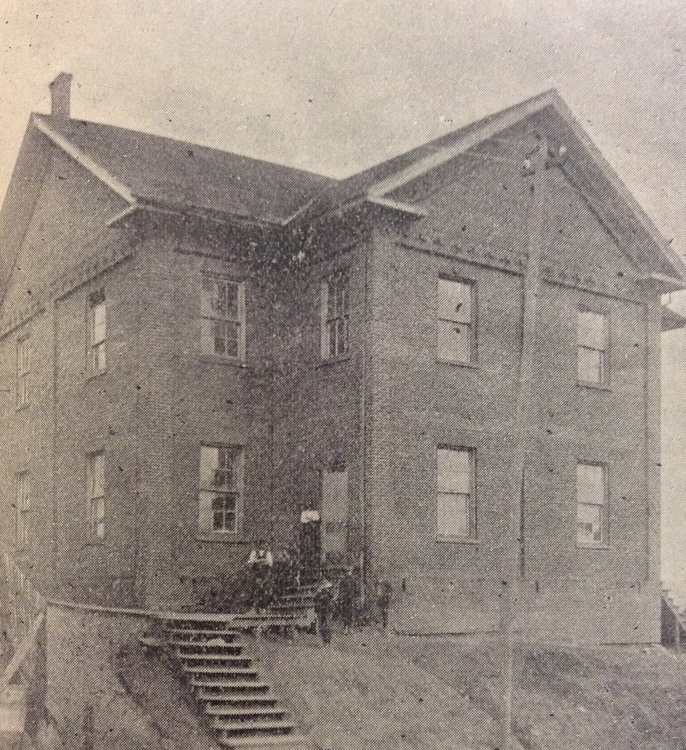
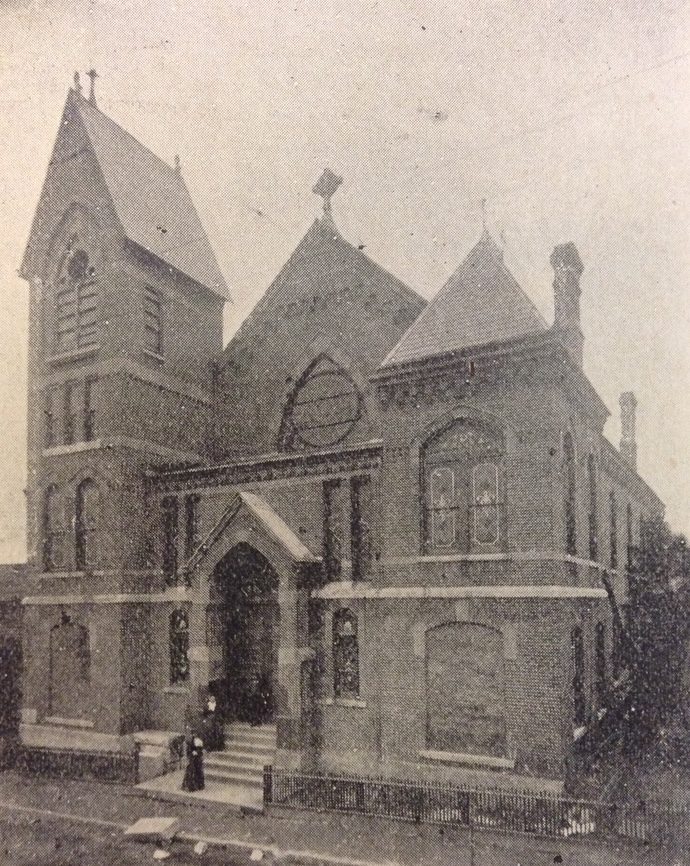
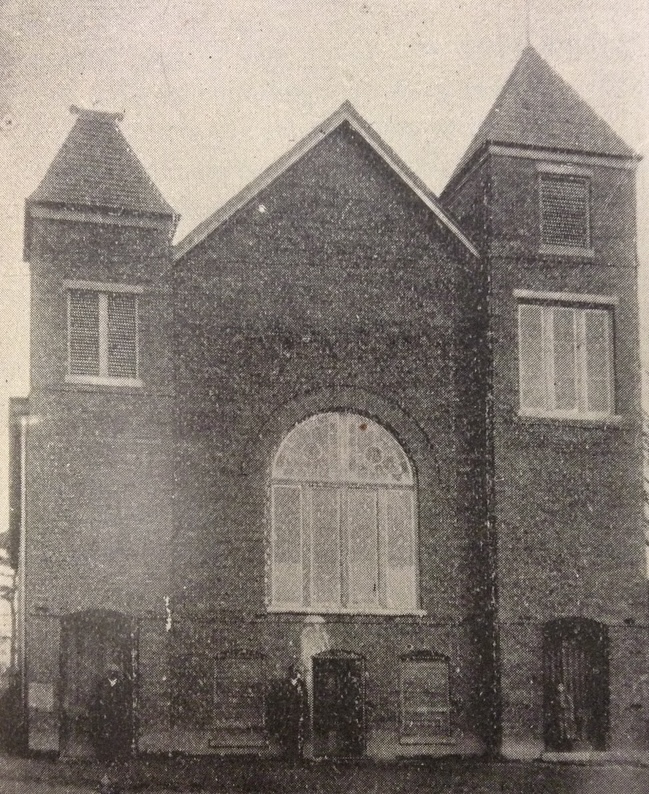
Two such institutions – Wood’s Chapel, and the Summer Hill School – planted roots in 1867, both along Martin Street. Wood’s Chapel was established by a local elder of the African Methodist Episcopal (AME) Church, though it was later reconstructed on Fraser Street and renamed Allen Temple. Summer Hill School was founded by the Freedmen’s Aid Society, a northern organization that sent white teachers to educate Black children; it wasn’t until 1887 that Atlanta’s Board of Education hired Black teachers in Atlanta’s “colored” schools. At the turn of the century, nine teachers served the school’s 632 Black students, from the first through the eighth grade. That building was torn down in 1923 and replaced by a new school named after Edwin P. Johnson, the pastor of Reed Street Baptist Church.