Olympian Ambitions
Georgia Avenue in the 1980s and 1990s
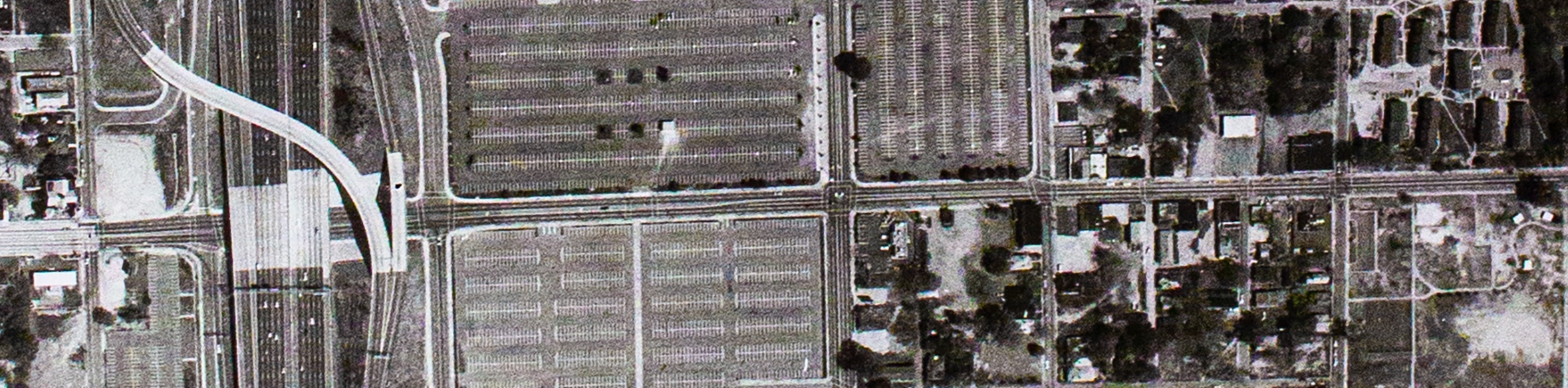
By 1980, Georgia Avenue’s retail profile reflected the urban decay and disinvestment that plagued so many of the neighborhoods south of downtown. Summerhill, Mechanicsville, and Peoplestown had become sites of concentrated, racially isolated poverty; the residential population had declined by more than 40%, and the percentage of residents living below the poverty line increased. Even economically stable residents with the resources to purchase a home struggled to improve their lot. As the Atlanta Journal-Constitution’s Pulitzer prize-winning 1988 investigative series “The Color of Money” made clear, local financial institutions frequently denied loans to homeowners, potential homebuyers, and entrepreneurs in majority-Black neighborhoods – especially if the loan applicants were themselves Black.
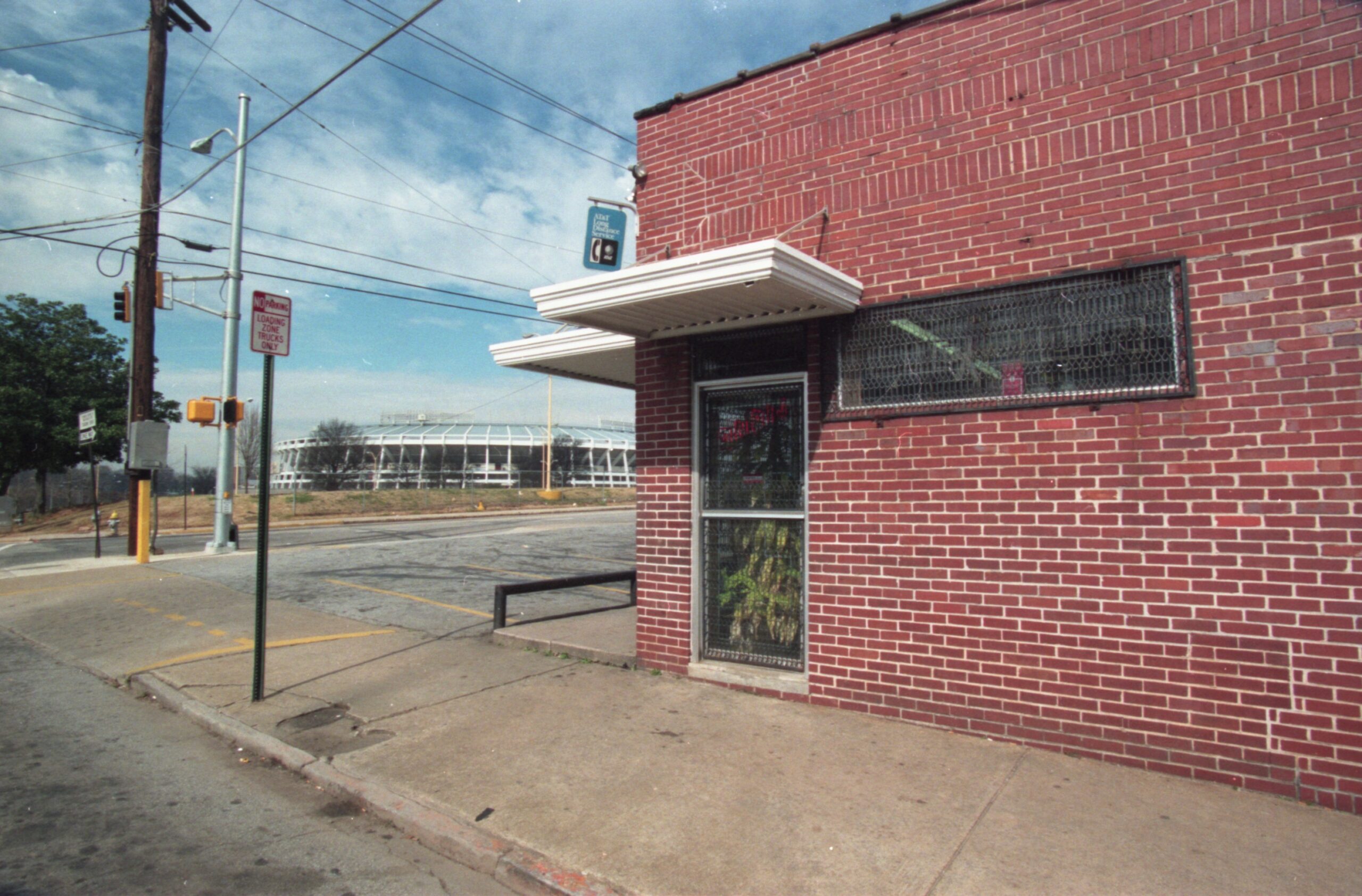
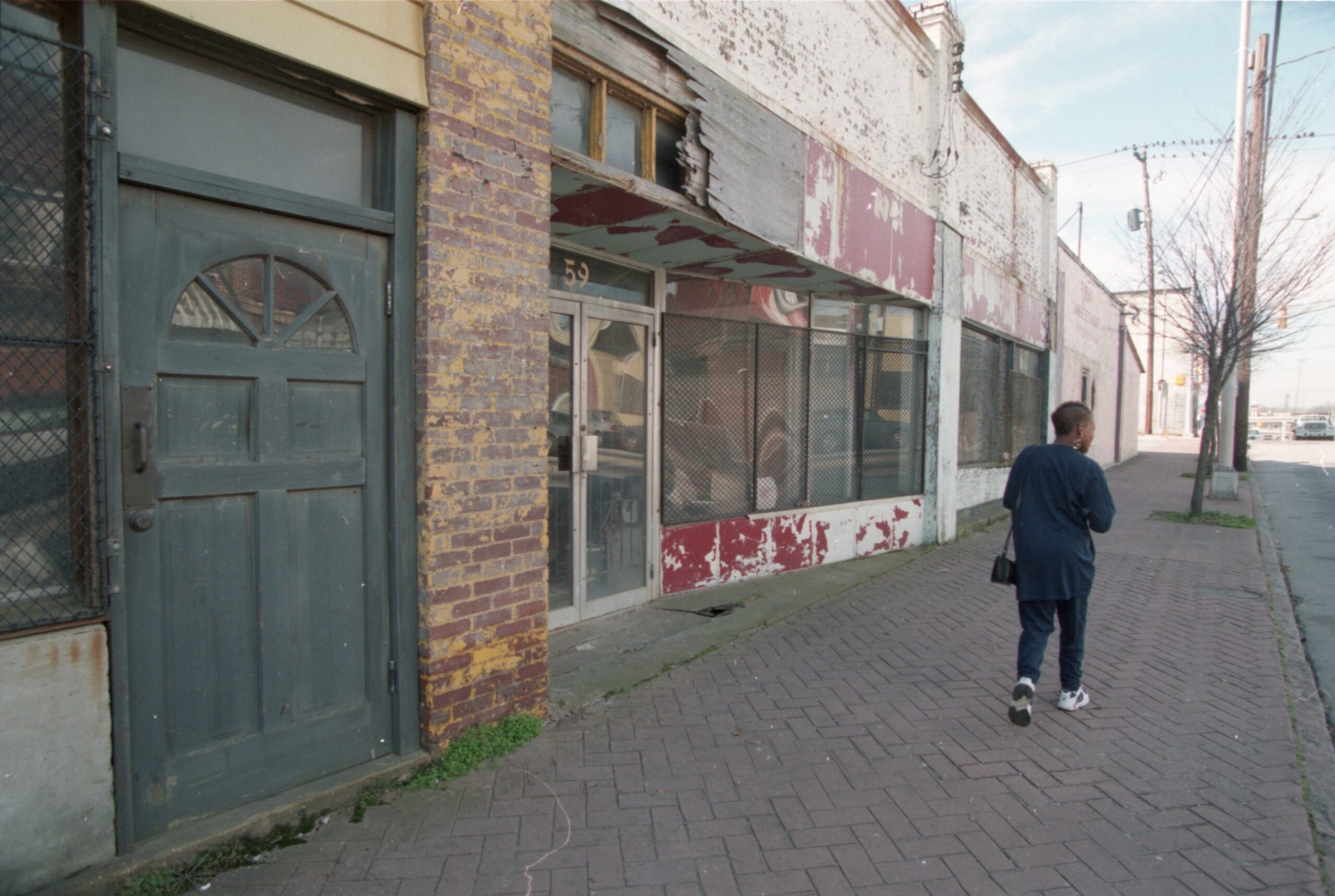
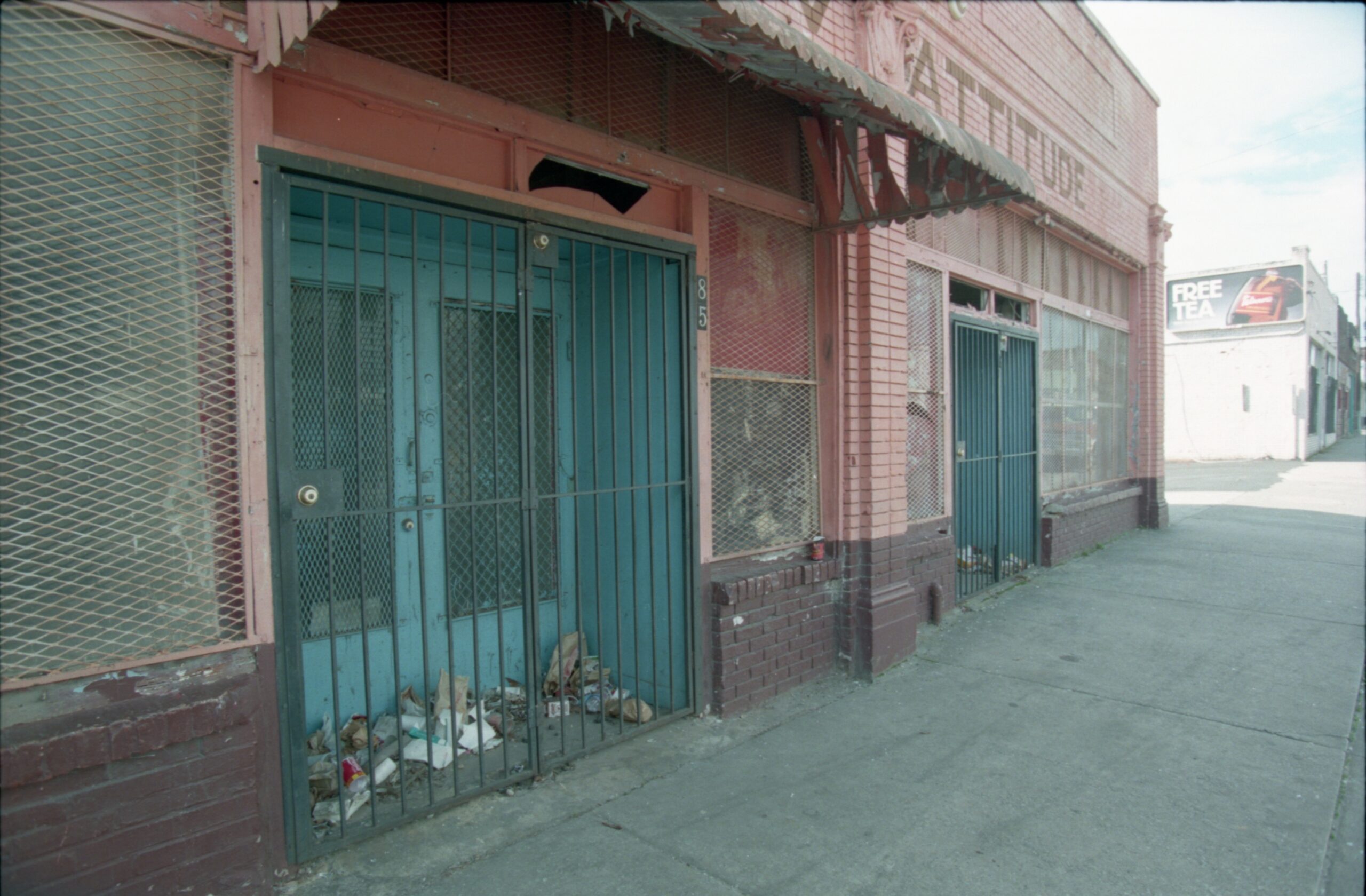
Some entrepreneurial sectors, however, remained profitable on Georgia Avenue. In low-income Black communities all over the United States, alcohol retail had swelled as a proportion of local commerce. By 1980, three of the fifteen businesses that remained along the street specialized in beer, wine, and liquor. It was easier to purchase booze than vegetables on Georgia Avenue; even Buehler’s, the only supermarket remaining on the street, sold alcohol. Residents still complained that its grocery stock was limited and of poor quality and its prices were high. Since the next closest grocery store was two miles away, they had little choice.
The paucity of consumer choices on Georgia Avenue was one problem, but the demoralizing ruin of vacant, boarded-up storefronts interspersed among the liquor stores, laundromats, and fast food shops proved even worse. Yet current residents, and some former residents, refused to give up. At least, insisted fourth-generation Summerhillian and former state representative Douglas Dean, the old neighborhood could be brought back together: in 1988 he instituted an annual Summerhill Reunion festival, and he founded the revitalization non-profit Summerhill Neighborhood Inc. [SNI] soon after. Dean was among those who urged active measures to help solve Summerhill’s problems.
Considering the devastation wrought by the highways and the Atlanta Stadium, it’s astonishing that Atlanta’s business leaders, and some local community leaders, decided that the solution to Summerhill’s troubles was another massive municipal project – and the construction of yet another gargantuan sports facility.