A Complicated History
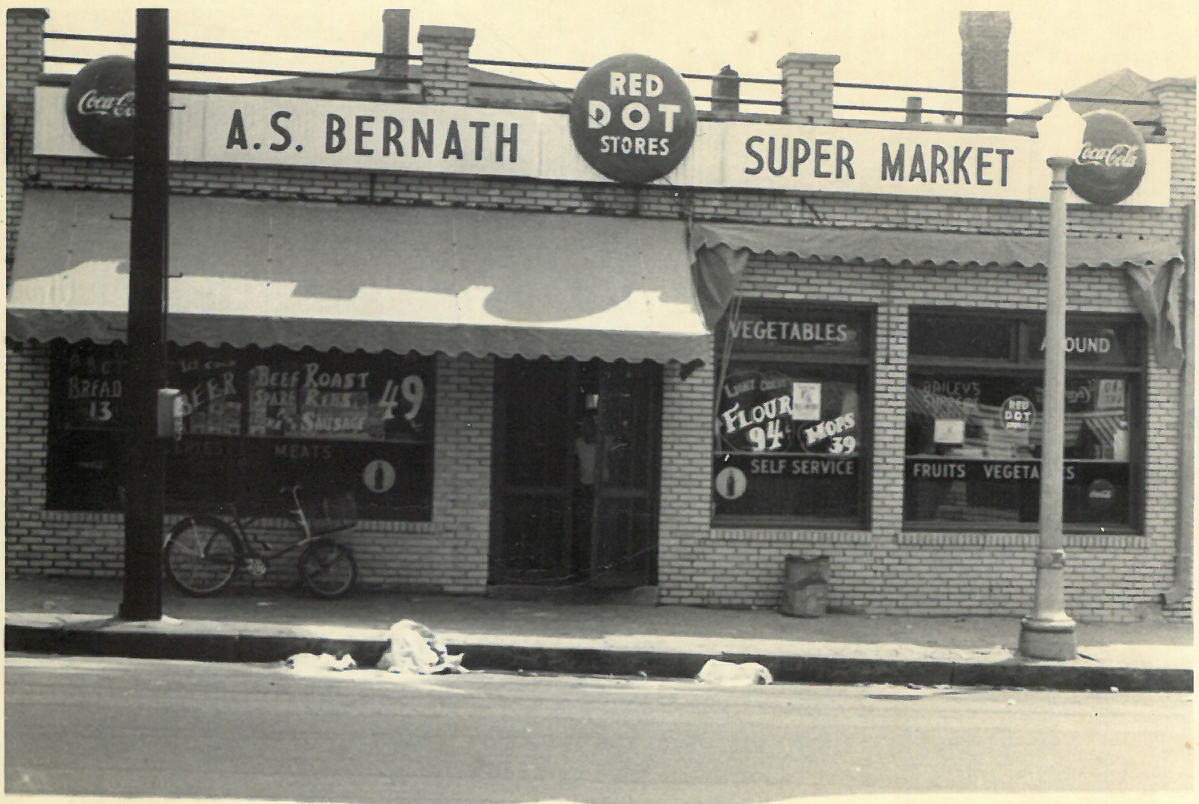
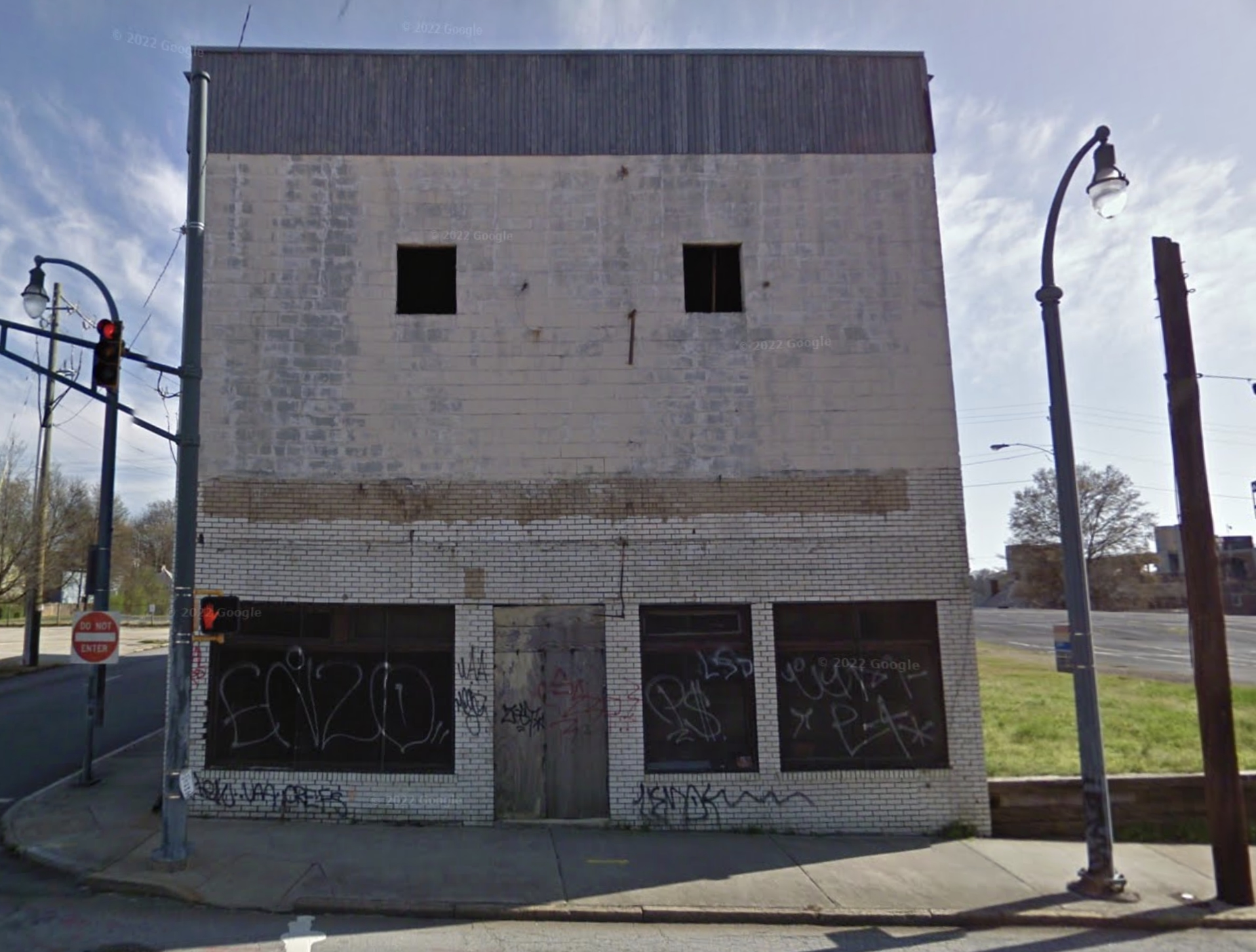
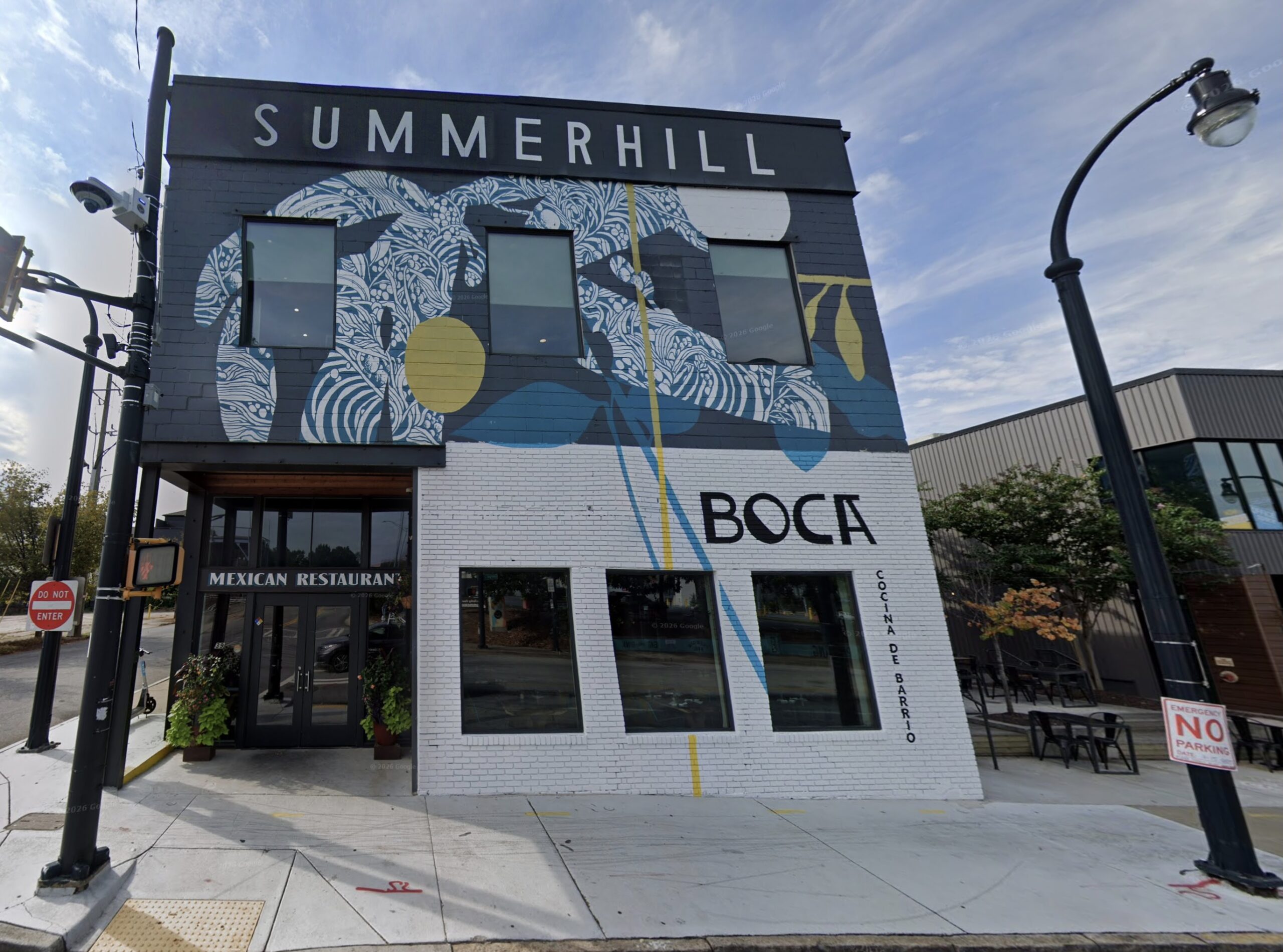
It’s exciting to see Georgia Avenue refreshed and rebuilt, and hope abounds that commercial bustle and street life will flourish. Residents of the surrounding neighborhoods once relied on its shops and services, and local entrepreneurs and their employees were able to make a living there. Certainly, lively and profitable businesses are a vast improvement over abandoned storefronts and weed-strewn parking lots. (Several businesses that participated in Georgia Avenue’s rebirth have already failed, suggesting neighborhood commerce will have its challenges.)
Georgia Avenue’s historic roots lend this commercial thoroughfare an authenticity that evokes nostalgia and enhances its appeal – especially in a city that has generally preferred to pave over its past. Patrons may be enchanted by early twentieth-century building facades and exposed brick walls; they might thrill to learn that a restaurant’s name or décor evokes a multiracial neighborhood’s imagined “golden age.” But any easy appropriation or commodification of this history inevitably glosses over its complications, not to mention its calamities.
An honest reckoning with Georgia Avenue’s past requires significant attention to racial segregation and white flight, to the displacement of thousands of residents, to decades of development plans that have ignored neighborhood needs. Do those who stand to profit from Georgia Avenue’s gentrification have any responsibility to this past, or to the people who lived through it? How can developers, business owners, and patrons conscientiously inhabit this complicated historical space? Should their efforts include agitating for municipal policies and business practices that protect current local residents, so history doesn’t repeat itself yet again? And if so, what would these policies and practices look like?
These are difficult questions, and there aren’t easy answers. But if we can learn from the history of Georgia Avenue’s rise, decline, and resurgence, we might stand a better chance of creating an affordable, accessible, and livable city for everyone.