The Southside
The blocks west of Capitol Avenue were known by a few different names. Atlantans sometimes referred to them in association with the busiest and wealthiest north-south thoroughfares: Capitol Avenue itself, which one real estate company referred to as the “Fifth Avenue of the South Side”; and Washington Street, where municipal leaders and prosperous businessmen dwelled in elegant mansions. It was frequently called the Southside, though that name was also used to refer to a larger constellation of neighborhoods south of downtown. This area, which will be referred to here as the Southside, was a majority (though not exclusively) white neighborhood developed for Atlanta’s growing middle and working classes. Most residents lived in modest single-family bungalows, cottages, and duplexes.
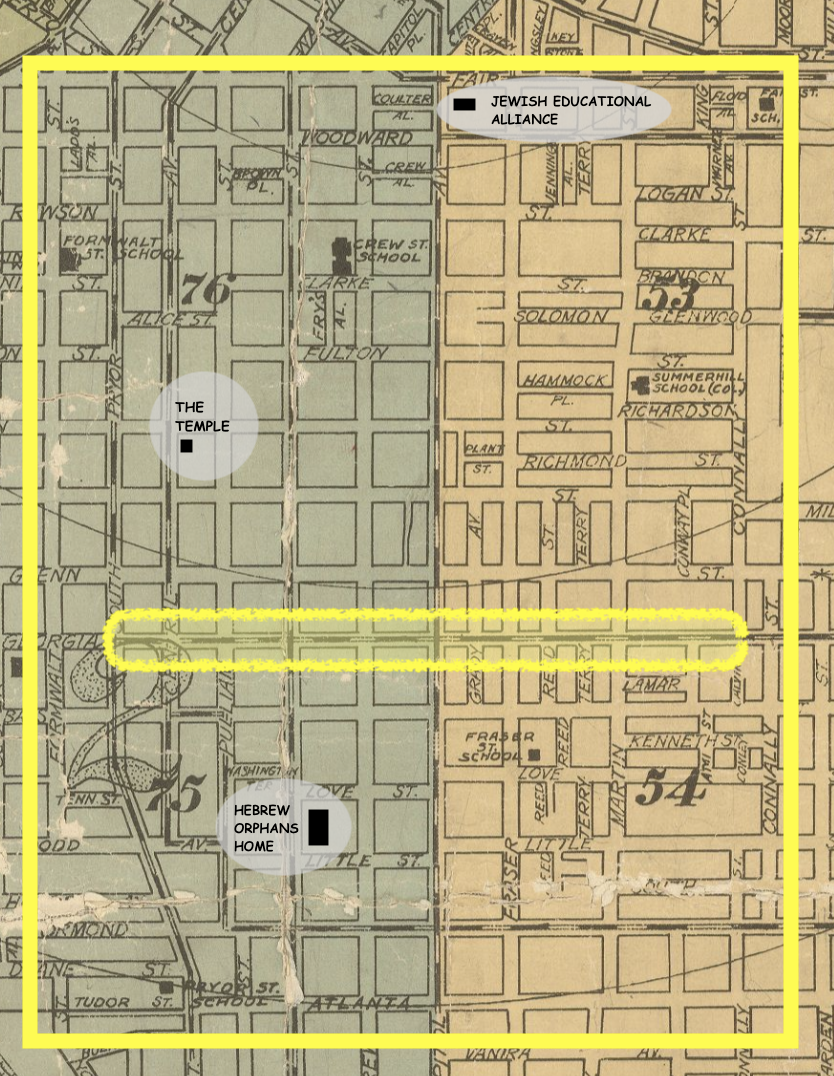
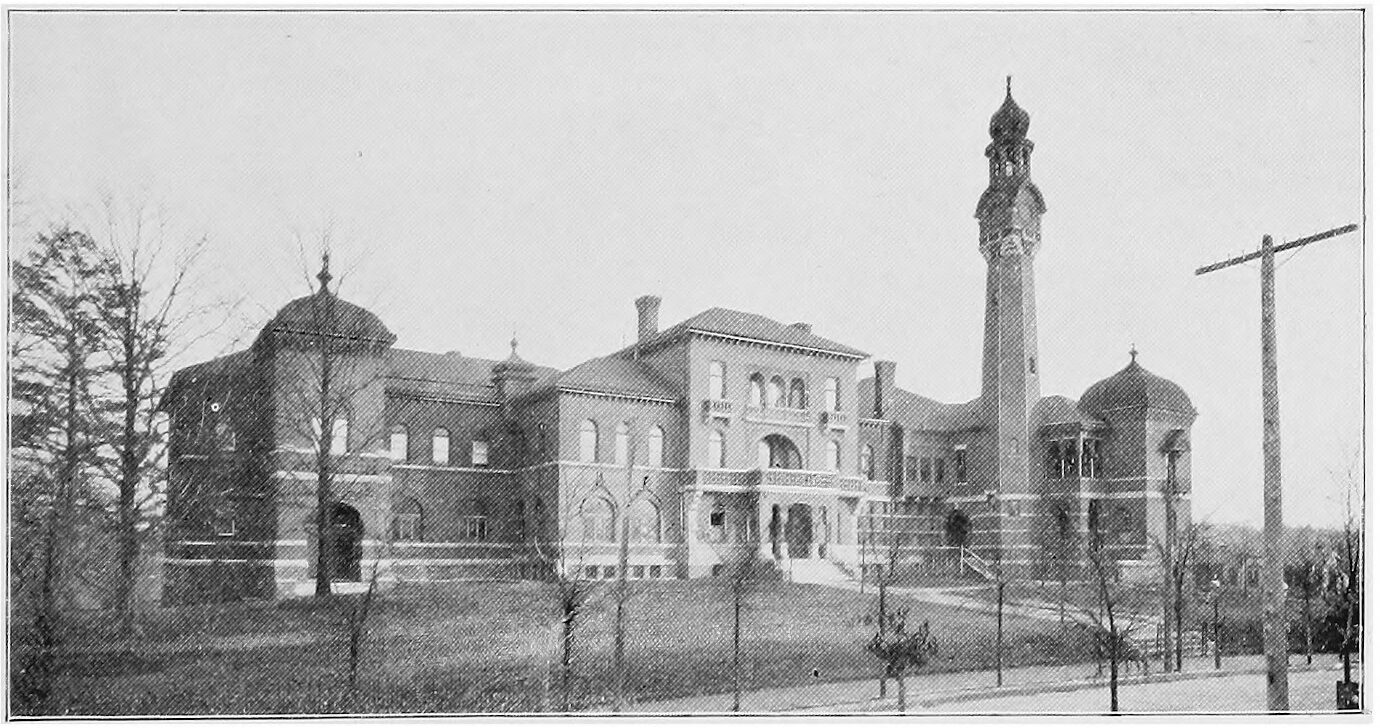
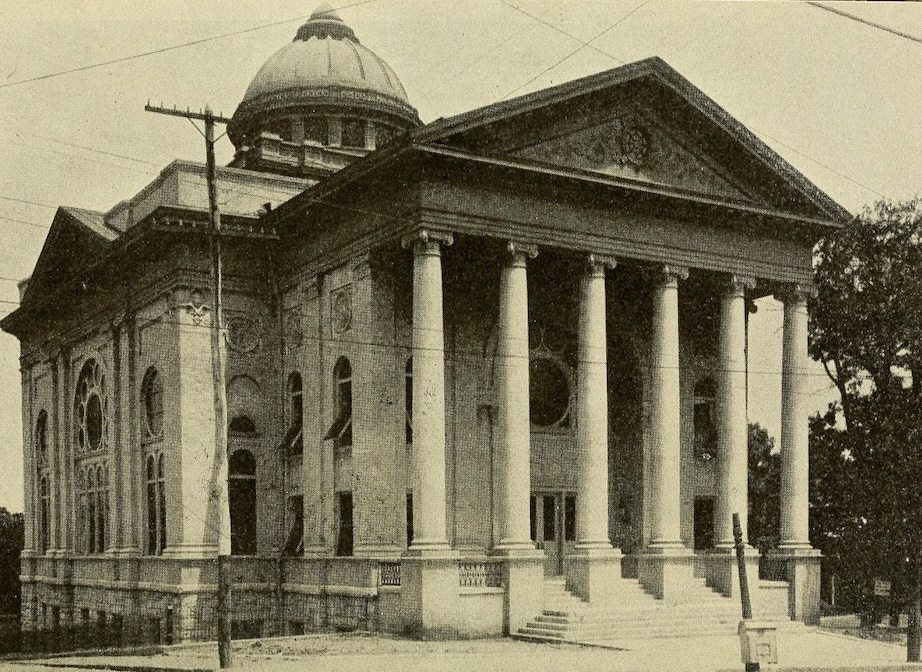
Jewish Atlantans, both immigrant and native-born, were a presence on the Southside starting in the 1880s. Jews from central Europe established a community in Atlanta before the Civil War; by the turn of the century, some of the most successful among them resided in grand mansions along Washington Street. The city’s German Jews (as they were known) built several institutions on the Southside: the Hebrew Orphans Home in 1889; the Hebrew Benevolent Congregation, commonly known as The Temple, in 1902; the Standard Club, which Jews founded after being excluded from the city’s elite white social clubs, in 1905; and the Jewish Educational Alliance in 1912. By the late 1920s, all five of Atlanta’s Jewish houses of worship were in this neighborhood.
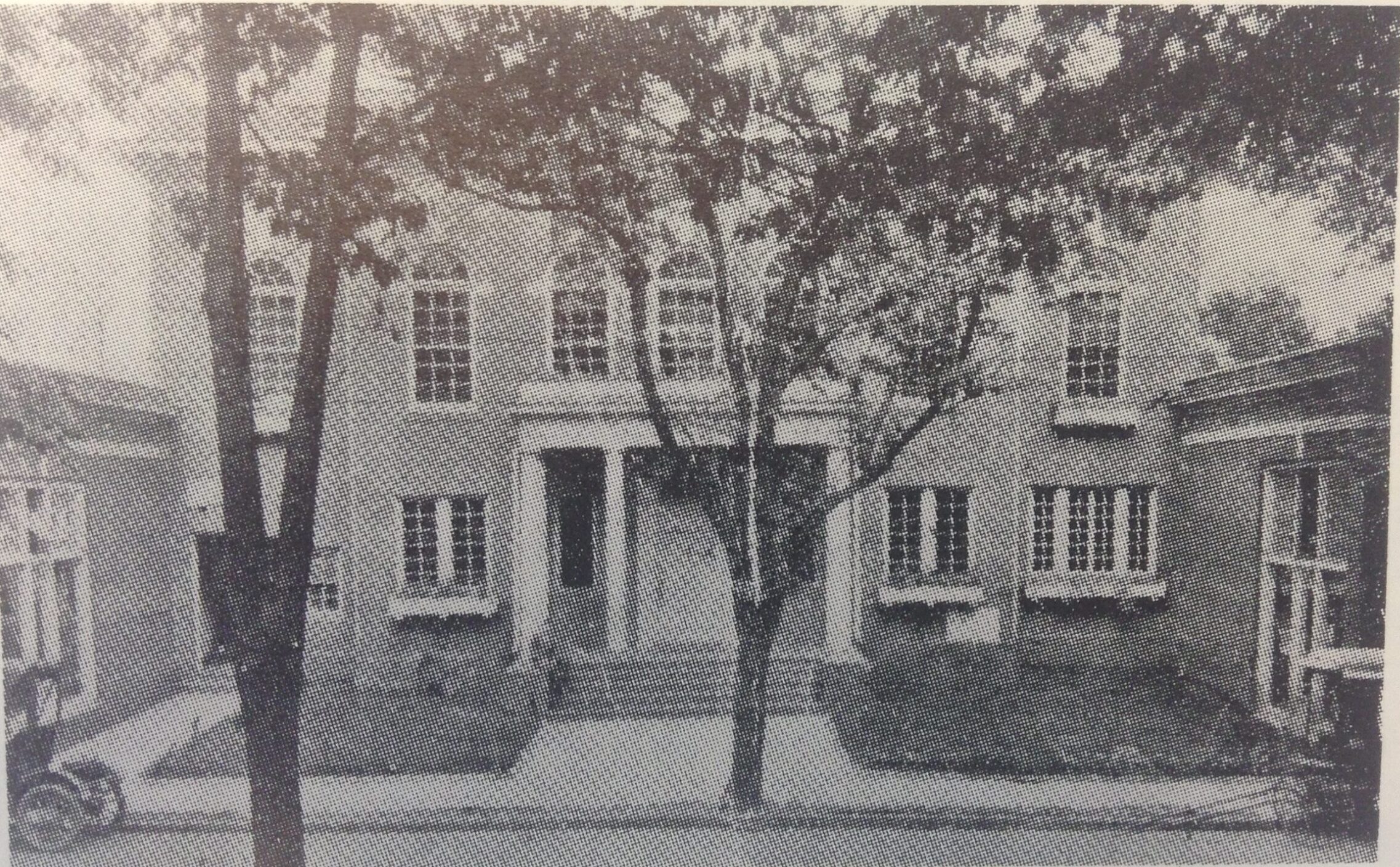
Leo Frank, the pencil factory superintendent accused of murdering a young female employee in 1913 and lynched in 1915, was briefly one of the Southside’s Jewish residents. At the time of his arrest, he and his wife Lucille lived at what was then 68 East Georgia Avenue, near the northwest corner of Washington Street. Georgia Avenue was still primarily residential, and it wasn’t as posh an address as Washington Street. Nearly all of Georgia Avenue’s residents – including those who lived between Capitol and Connally Streets, where Georgia Avenue bisected Summerhill – were southern-born white families, headed by salaried clerks, small business owners, and skilled laborers.