Public Housing
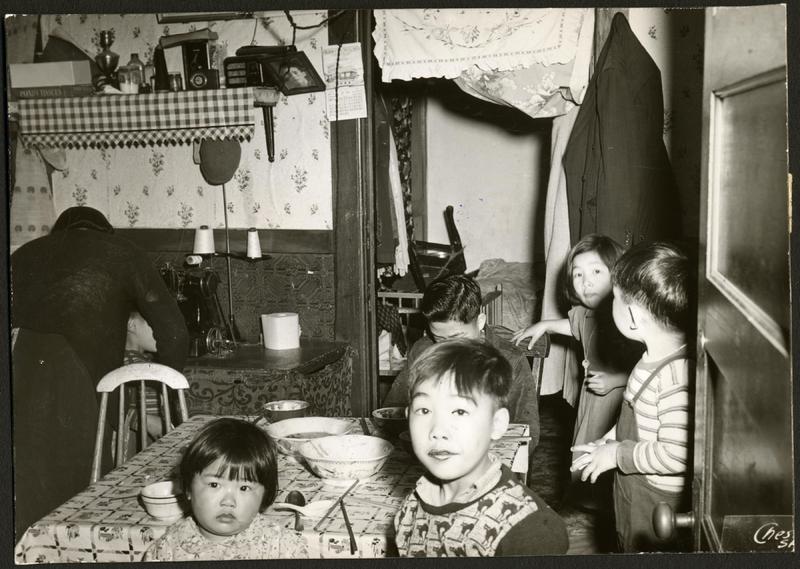
Courtesy of San Francisco History Center, San Francisco Public Library
To ensure that low-income families had access to “decent, safe and sanitary housing,” Congress made a commitment to public housing construction in 1937 by passing the Wagner-Steagall Housing Act. The Act became the basis of the country’s public housing policies in the 20th century.
The Act allocated funds to housing boards across the U.S. In San Francisco in 1938, Chinese American leaders launched a decade-long effort to build a public housing project to address Chinatown’s cramped tenements. Receiving national attention, the situation was so egregious that one newspaper characterized Chinatown’s housing as a “slum largely unfit for human habitation.”
With progress deferred by World War II and local politics, the San Francisco Housing Authority finally devoted its first federal funds to construction of the Ping Yuen East Housing Project, which was completed in 1951.
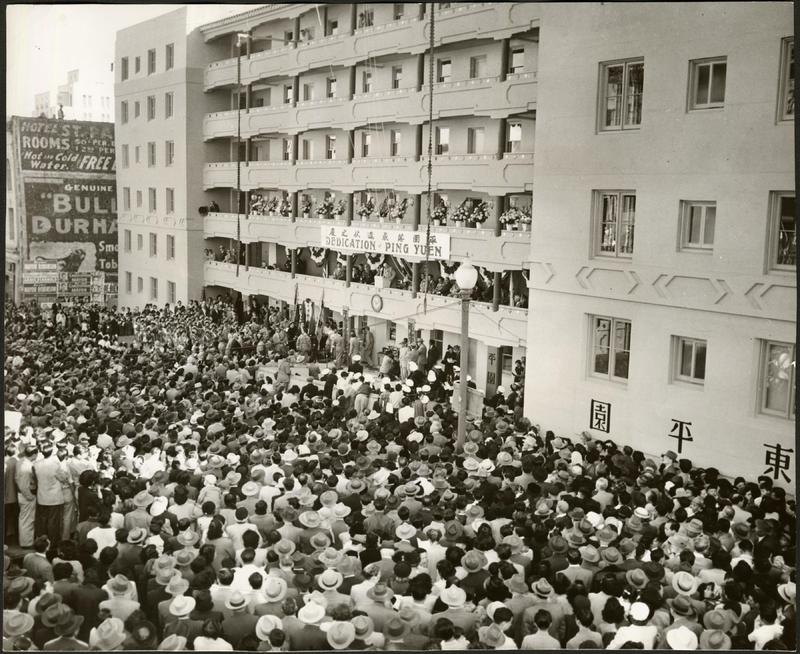
Courtesy of San Francisco History Center, San Francisco Public Library
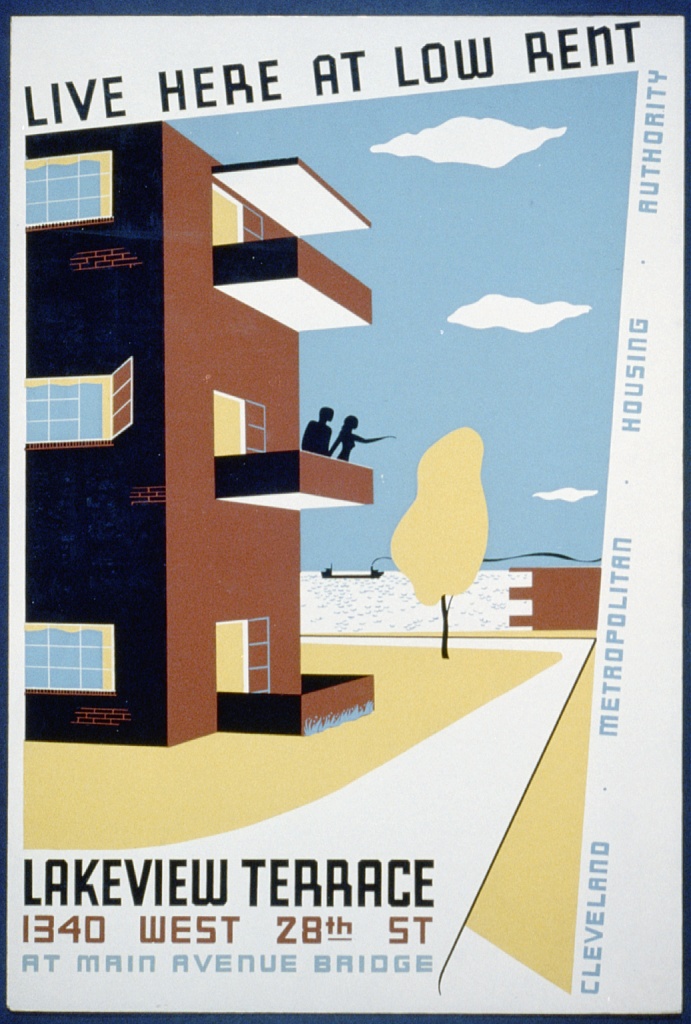
Courtesy of the Library of Congress Work Projects Administration Poster Collection, LC-USZC2-1020
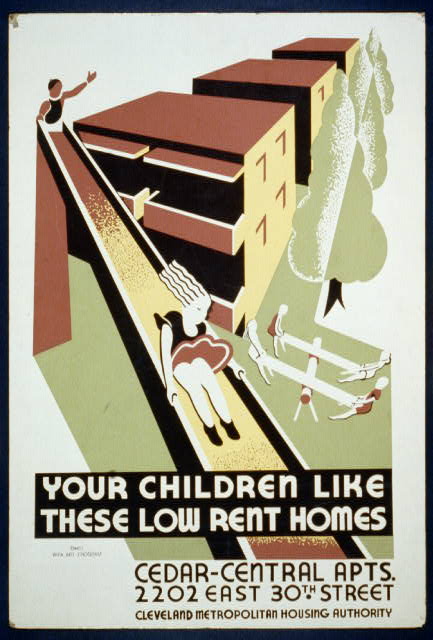
Courtesy of the Library of Congress Work Projects Administration Poster Collection, LC-USZC2-1085
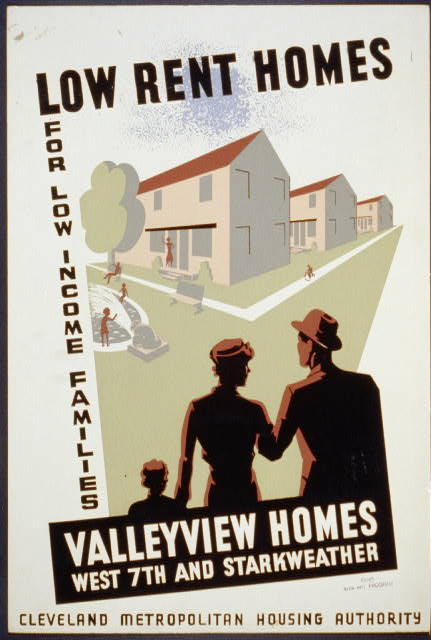
Courtesy of the Library of Congress Work Projects Administration Poster Collection, LC-USZC2-1085
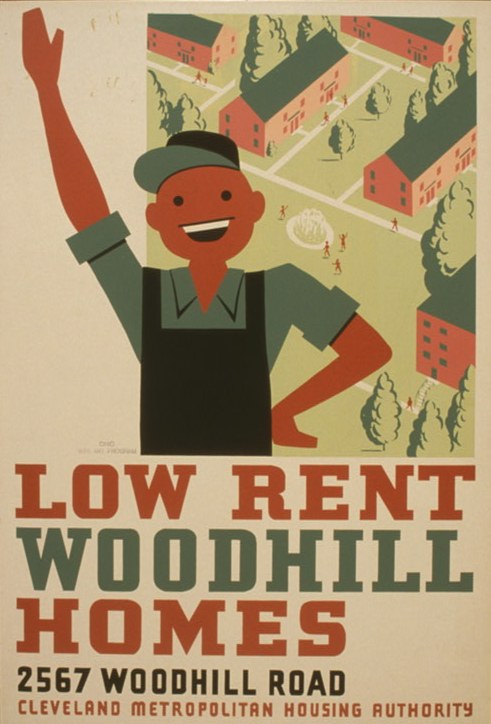
Courtesy of the Library of Congress Work Projects Administration Poster Collection, LC-USZC2-5660