Traditional Housing
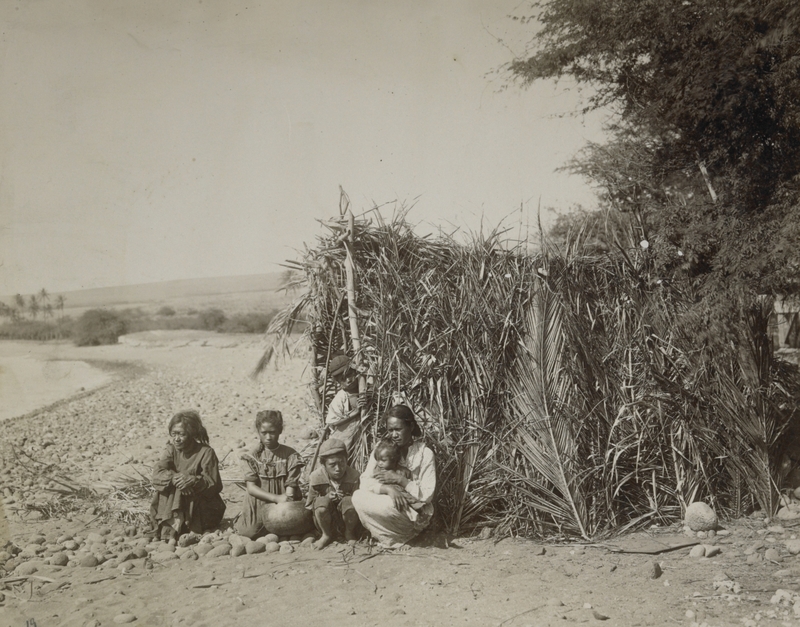
Courtesy of Harvard Art Museums/Fogg Museum, Transfer from the Carpenter Center for the Visual Arts; Social Museum Collection, 3.2002.2744.1
This early 20th-century photograph shows a type of traditional housing that was already disappearing in Hawai’i. It has been documented that as Native Hawaiians moved away from their traditional culture after encountering Westerners such as colonists and missionaries, their health status declined.
Considered a sacred space, the traditional Navajo hogan is an energy-efficient circular structure made of wood, mud, and rocks, with a doorway facing east to welcome the rising sun for good health and fortune and a smoke hole in the center of the roof. Over the past several decades, Navajo Nation entrepreneurs have begun building updated hogans, in part to reclaim their traditional housing.
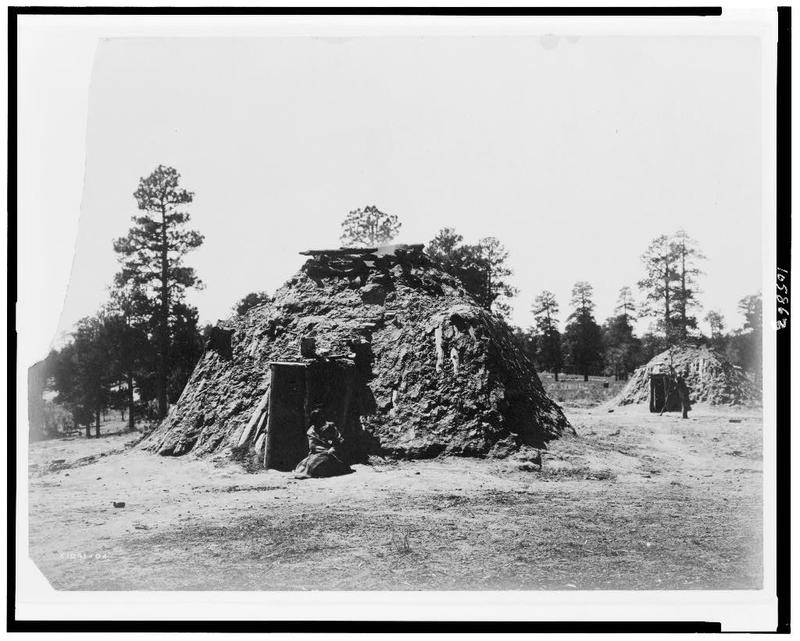
Courtesy of the Library of Congress, Edward S. Curtis Collection, LOT 12311